


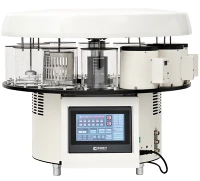


In the field of histology, a tissue embedder is an essential piece of equipment used to encapsulate tissue samples in a solid medium, typically paraffin wax, for subsequent sectioning and microscopic examination. As energy conservation becomes an increasingly important concern in modern laboratories, understanding the energy - saving features of a tissue embedder is crucial. In this blog, as a tissue embedder supplier, I will delve into the various energy - saving aspects of our tissue embedders.
1. Intelligent Temperature Control Systems
One of the primary energy - consuming components of a tissue embedder is the heating system, which is responsible for melting the paraffin wax and maintaining the appropriate temperature for embedding. Our tissue embedders are equipped with intelligent temperature control systems that significantly reduce energy consumption.
These systems use advanced sensors to continuously monitor the temperature of the paraffin wax and the embedding environment. Instead of constantly heating at full power, the embedder adjusts the heating output based on the real - time temperature readings. For example, when the desired temperature is reached, the heating element will enter a low - power standby mode, only providing enough energy to compensate for heat loss. This not only saves energy but also helps to maintain a more stable temperature, which is beneficial for the quality of tissue embedding.
Moreover, the temperature control systems can be programmed according to specific embedding protocols. Laboratories can set different temperature profiles for different types of tissue samples, ensuring that the embedder operates at the most energy - efficient settings for each task. This level of customization allows for optimal energy utilization without sacrificing the quality of the embedding process.


2. High - Efficiency Insulation Materials
Another key energy - saving feature of our tissue embedders is the use of high - efficiency insulation materials. The embedder's housing and the containers holding the paraffin wax are insulated to minimize heat loss. By reducing the amount of heat that escapes from the embedder, less energy is required to maintain the desired temperature.
We use state - of the - art insulation materials that have excellent thermal resistance properties. These materials create a barrier between the internal heating components and the external environment, preventing heat from dissipating quickly. As a result, the embedder can maintain a stable temperature with less energy input. This not only reduces energy costs but also helps to create a more comfortable working environment in the laboratory by minimizing the heat radiated into the surrounding area.
3. Low - Power Consumption Components
Our tissue embedders are designed with low - power consumption components throughout the system. From the motors used for mechanical operations to the electronic control boards, every component is carefully selected to consume as little energy as possible while still providing reliable performance.
The motors are engineered to operate efficiently, converting electrical energy into mechanical energy with minimal losses. They are also equipped with speed control mechanisms that allow them to adjust their power consumption based on the workload. For example, during periods of low activity, the motors can operate at a lower speed, consuming less energy.
The electronic control boards are designed with energy - efficient microprocessors and integrated circuits. These components are optimized to perform their functions with a low power supply, reducing the overall energy demand of the embedder. Additionally, the control boards are programmed to enter a sleep mode when the embedder is not in use for an extended period, further conserving energy.
4. Energy - Saving Modes
To further enhance energy efficiency, our tissue embedders come with energy - saving modes. These modes can be easily activated by the user, allowing the embedder to operate in a more energy - conscious manner.
One such mode is the standby mode, which can be engaged when the embedder is not needed for a short period. In standby mode, the embedder reduces its power consumption by shutting down non - essential components while still maintaining the basic functions required for a quick restart. This ensures that the embedder can be ready for use at any time without having to go through a long and energy - intensive warm - up process.
There is also an automatic shut - off mode that can be set according to the laboratory's working hours. If the embedder is not used for a predefined period, it will automatically turn off, eliminating any unnecessary energy consumption. This feature is particularly useful for laboratories that operate on a fixed schedule, as it ensures that the embedder does not waste energy when it is not in use.
5. Energy - Saving Design for Wax Handling
The wax handling system in our tissue embedders is also designed with energy conservation in mind. The process of melting and dispensing paraffin wax can be energy - intensive, but our embedder's design minimizes these energy requirements.
The wax melting chambers are designed to have a small volume, which reduces the amount of wax that needs to be heated at any given time. This means that less energy is required to melt the wax to the desired temperature. Additionally, the melting chambers are equipped with efficient heating elements that can quickly heat the wax while using less energy.
The wax dispensing system is also optimized for energy efficiency. It uses a precise dosing mechanism that ensures only the required amount of wax is dispensed for each embedding task. This reduces waste and also eliminates the need to heat and maintain a large volume of excess wax, saving energy in the long run.
Conclusion
As a tissue embedder supplier, we are committed to providing our customers with high - quality, energy - efficient products. The energy - saving features of our tissue embedders, including intelligent temperature control systems, high - efficiency insulation materials, low - power consumption components, energy - saving modes, and energy - efficient wax handling design, not only help laboratories reduce their energy costs but also contribute to a more sustainable and environmentally friendly laboratory operation.
If you are interested in our tissue embedders or would like to discuss your specific requirements, please feel free to contact us for a procurement negotiation. We are dedicated to helping you find the best tissue embedding solution for your laboratory. You can also explore more about our products on our website, including our histology embedding station, Tissue Embedding Center, and Parrafin Embedder.
References
- [1] Principles of Histological Techniques, 5th Edition, by Bancroft and Gamble.
- [2] Energy - Efficient Laboratory Equipment Design Guidelines, published by the National Institute of Standards and Technology.
- [3] Advances in Tissue Embedding Technology, Journal of Histology Research, Vol. 15, Issue 2.