


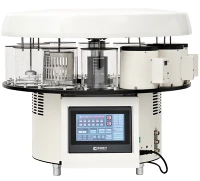
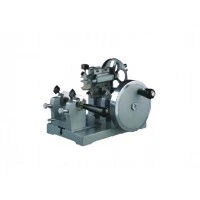


Selecting the appropriate knife for a cryotome is a crucial decision that can significantly impact the quality of your histological sections. As a cryotome supplier, we understand the importance of this choice and are here to guide you through the process. In this blog post, we will discuss the key factors to consider when choosing a cryotome knife, the different types of knives available, and how to make an informed decision based on your specific needs.
Key Factors to Consider
1. Section Thickness
The thickness of the sections you need to cut is one of the most important factors in knife selection. Different knives are designed to cut sections of varying thicknesses. For very thin sections (e.g., 1 - 5 microns), a high - quality diamond or glass knife may be required. These knives can provide extremely sharp edges that are capable of producing thin, uniform sections. On the other hand, if you are cutting thicker sections (e.g., 10 - 50 microns), a tungsten carbide or stainless - steel knife might be more suitable.
2. Tissue Type
The nature of the tissue you are working with also plays a vital role. Soft tissues, such as brain or adipose tissue, require a knife with a very sharp edge to prevent tearing. A glass or diamond knife can be ideal for these types of tissues as they can make clean cuts. Harder tissues, like bone or cartilage, may need a more robust knife. Tungsten carbide knives are often used for hard tissues due to their durability and ability to withstand the pressure of cutting through dense materials.
3. Section Quality Requirements
If you are conducting high - resolution imaging or detailed histological analysis, you will need a knife that can produce sections with minimal artifacts. Artifacts such as chatter marks, compression, or wrinkling can interfere with the accuracy of your results. A sharp and well - maintained knife is essential for achieving high - quality sections. Additionally, the type of knife coating can also affect section quality. Some coatings can reduce friction and static electricity, which can lead to cleaner cuts.
4. Budget
Your budget is an important consideration when selecting a cryotome knife. Diamond knives are the most expensive option but offer the highest level of performance and longevity. Glass knives are relatively inexpensive but need to be prepared fresh for each use. Tungsten carbide and stainless - steel knives fall in between in terms of cost. You need to balance your budget with the quality and performance requirements of your work.
Different Types of Cryotome Knives
1. Diamond Knives
Diamond knives are known for their exceptional sharpness and durability. They can cut very thin sections with high precision and are suitable for a wide range of tissues. Diamond knives are often used in research laboratories where high - quality sections are required for electron microscopy or advanced histological studies. However, they are also the most expensive option. The cost of a diamond knife can be a significant investment, but its long - term performance and re - sharpening capabilities can make it a cost - effective choice in the long run. For more information about cryotomes that work well with diamond knives, visit Cryotome.
2. Glass Knives
Glass knives are a popular choice for routine histological work. They are relatively inexpensive and can be easily prepared in the laboratory using a knife maker. Glass knives can produce good - quality sections for light microscopy. However, they are fragile and need to be replaced frequently. The edge of a glass knife can become dull quickly, especially when cutting hard tissues. Despite these limitations, glass knives are still widely used due to their low cost and ease of preparation.
3. Tungsten Carbide Knives
Tungsten carbide knives are a versatile option that combines durability and sharpness. They can cut a variety of tissue types, from soft to hard. Tungsten carbide knives are more durable than glass knives and can be re - sharpened multiple times. They are also more affordable than diamond knives. These knives are suitable for both research and clinical applications. If you are looking for semi - automatic cryostats that are compatible with tungsten carbide knives, check out Cryostats Semi - Automatic.
4. Stainless - Steel Knives
Stainless - steel knives are the most economical option. They are suitable for cutting thicker sections and are often used in educational settings or for less demanding histological work. Stainless - steel knives are relatively durable but may not provide the same level of sharpness as diamond or tungsten carbide knives. They can be a good choice for those on a tight budget or for quick, routine sectioning.
Making an Informed Decision
To make the best decision when selecting a cryotome knife, you need to assess your specific needs. Start by considering the type of tissue you will be cutting, the thickness of the sections you require, and the quality of the sections needed for your analysis. If you are working on a research project that demands high - resolution imaging, a diamond knife may be the best choice despite its high cost. For routine clinical work, a tungsten carbide or stainless - steel knife might be more appropriate.
It is also a good idea to consult with other professionals in the field. You can talk to colleagues who have experience with different types of cryotome knives and get their recommendations. Additionally, our company, as a cryotome supplier, can provide you with detailed information and advice based on your specific requirements. We have a team of experts who can help you understand the features and benefits of each type of knife and assist you in making the right choice.
If you are unsure which cryotome knife is suitable for your Cryostat Microtome, we offer sample knives for you to test. This allows you to evaluate the performance of different knives in your own laboratory environment before making a purchase.
Conclusion
Selecting the appropriate knife for a cryotome is a complex but important decision. By considering factors such as section thickness, tissue type, section quality requirements, and budget, you can make an informed choice. The different types of knives available, including diamond, glass, tungsten carbide, and stainless - steel knives, each have their own advantages and disadvantages. Whether you are a researcher, a clinician, or an educator, choosing the right knife can improve the quality of your histological sections and enhance the accuracy of your results.
If you are interested in purchasing cryotome knives or need more information about our products, we encourage you to contact us for a procurement discussion. Our team is ready to assist you in finding the perfect knife for your cryotome and ensuring that you achieve the best possible results in your histological work.


References
- Bancroft, J. D., & Gamble, M. (2008). Theory and Practice of Histological Techniques. Churchill Livingstone.
- Kiernan, J. A. (2007). Histological and Histochemical Methods: Theory and Practice. Oxford University Press.
- Ross, M. H., & Pawlina, W. (2015). Histology: A Text and Atlas. Lippincott Williams & Wilkins.