


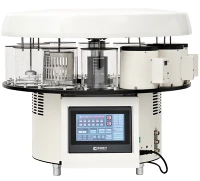



As a supplier of high - quality microtomes, including Semi - automatic Microtome, Freezing Microtome, and Rotary Microtome, I often receive inquiries from customers about the reusability of microtome blades. This is a crucial question that not only affects the quality of the sections but also the overall cost - effectiveness of the laboratory operations.
Understanding Microtome Blades
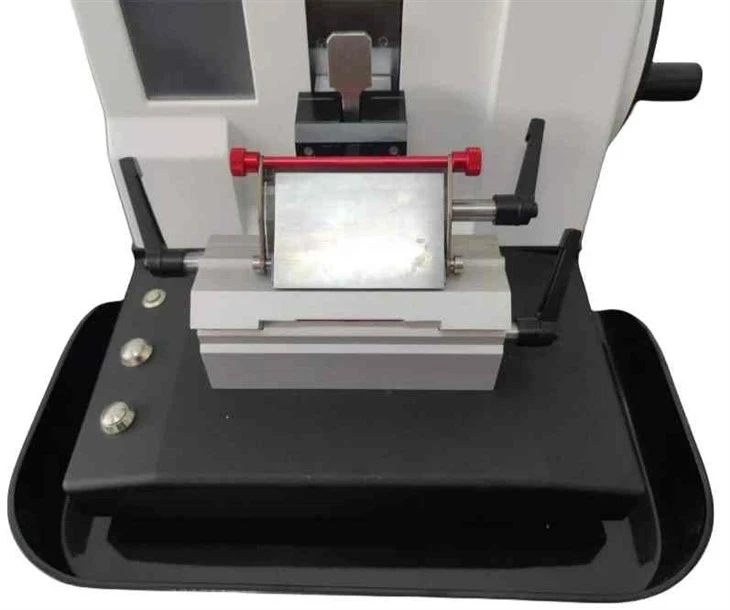
Microtome blades are precision cutting tools designed to produce extremely thin sections of biological specimens, tissues, or other materials for microscopic examination. They come in various types, such as disposable blades, reusable blades, and diamond blades. Each type has its own characteristics, advantages, and limitations.
Disposable blades are made of stainless steel or tungsten carbide and are designed for single - use. They are pre - sharpened and offer consistent cutting performance. Reusable blades, on the other hand, are typically made of high - quality steel and can be sharpened multiple times. Diamond blades are the most expensive but offer the highest precision and durability, especially for hard materials.
Factors Affecting the Reusability of Microtome Blades
Specimen Type
The nature of the specimen being cut plays a significant role in determining whether a microtome blade can be reused. Soft tissues, such as liver or brain, are relatively easy to cut and cause less wear on the blade. In such cases, a blade may be used multiple times without a significant loss of cutting quality. However, hard tissues, like bone or teeth, contain minerals and other tough components that can quickly dull the blade. Cutting these specimens may require a new blade for each section or at least a blade that has been freshly sharpened.

Section Thickness
The thickness of the sections being cut also affects blade reusability. Thicker sections require more force to cut, which can cause more wear on the blade. For example, if you are cutting sections of 50 - 100 micrometers, the blade will experience more stress compared to cutting sections of 5 - 10 micrometers. Therefore, when cutting thick sections, it may be necessary to change the blade more frequently.
Cutting Frequency
The frequency of use is another important factor. If a blade is used continuously for a long period, it will wear out faster. In a busy laboratory where the microtome is in constant use, blades may need to be replaced more often. On the other hand, in a less - used laboratory, a blade may last longer between sharpenings or replacements.
Blade Quality
The quality of the blade itself is a determining factor. High - quality blades are made from better materials and have a more precise edge. They are more resistant to wear and can be reused more times compared to lower - quality blades. As a microtome supplier, we offer a range of blades with different quality levels to meet the diverse needs of our customers.
Advantages of Reusing Microtome Blades
Cost - Saving
One of the most obvious advantages of reusing microtome blades is cost - saving. Disposable blades can be expensive, especially if they are used in large quantities. By reusing blades, laboratories can significantly reduce their consumable costs. This is particularly important for research institutions and laboratories with limited budgets.
Environmental Impact
Reusing blades also has a positive environmental impact. Disposable blades contribute to waste generation, and by reducing their use, we can minimize the environmental footprint of laboratory operations. This is in line with the growing trend of sustainable practices in the scientific community.
Disadvantages of Reusing Microtome Blades
Decreased Cutting Quality
As a blade is used multiple times, its cutting edge will gradually become dull. A dull blade can produce uneven sections, with ragged edges or compression artifacts. These artifacts can interfere with the microscopic examination and make it difficult to obtain accurate results. In some cases, the quality of the sections may be so poor that they are unusable for research or diagnostic purposes.
Contamination Risk
Reusing blades increases the risk of cross - contamination between specimens. If a blade is used to cut different specimens without proper cleaning, there is a possibility that cells, DNA, or other biological materials from one specimen can transfer to another. This can lead to false results and compromise the integrity of the research or diagnosis.
Best Practices for Reusing Microtome Blades
Proper Cleaning
Before reusing a blade, it is essential to clean it thoroughly to remove any debris or biological material. This can be done using a mild detergent and a soft brush. After cleaning, the blade should be rinsed with distilled water and dried carefully to prevent rusting.
Sharpening
Regular sharpening is crucial for maintaining the cutting quality of reusable blades. There are several methods for sharpening microtome blades, including manual sharpening on a whetstone and using automated sharpening machines. It is important to follow the manufacturer's instructions for sharpening to ensure that the blade is sharpened correctly.
Inspection
Before each use, the blade should be inspected for any signs of damage or wear. This can be done using a magnifying glass or a microscope. If the blade has any chips, nicks, or other defects, it should not be reused.
Conclusion
In conclusion, whether you can use a microtome blade multiple times depends on several factors, including the specimen type, section thickness, cutting frequency, and blade quality. While reusing blades can offer cost - saving and environmental benefits, it also has some drawbacks, such as decreased cutting quality and contamination risk. By following best practices for cleaning, sharpening, and inspection, you can maximize the reusability of your microtome blades while maintaining the quality of your sections.
If you are interested in learning more about our microtomes and microtome blades, or if you have any questions regarding the reusability of blades, please feel free to contact us for procurement and further discussions. We are committed to providing you with the best products and services to meet your laboratory needs.
References
- "Microtomy: Principles and Practice" by Peter A. Bancroft and Christopher Layton
- "Histotechnology: A Self - Instructional Text" by Lynne M. Szewczyk and Nancy E. Rose