


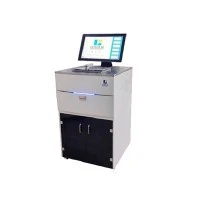
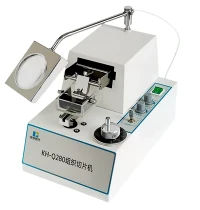
Hey there! As a supplier of Grossing Stations, I often get asked about the storage capacity of a typical Grossing Station. So, I thought I'd take a moment to break it down for you.
First off, let's talk about what a Grossing Station is. For those who aren't in the know, a Grossing Station is a key piece of equipment in pathology labs. It's where pathologists and lab techs examine, dissect, and document specimens. This process is super important for diagnosing diseases and understanding their progression.
Now, onto the storage capacity. The storage capacity of a Grossing Station can vary quite a bit, depending on its design, size, and the specific needs of the lab. There are a few factors that play into how much stuff a Grossing Station can hold.
Shelving and Drawers
Most Grossing Stations come with a combination of shelves and drawers. These are used to store a variety of items, like specimen containers, tools (scalpels, forceps, etc.), paperwork, and even personal items for the lab staff.
The number of shelves can range from just a couple to half a dozen or more. Smaller, compact Grossing Stations might have 2 - 3 shelves, which are usually used for keeping frequently accessed items within easy reach. On the other hand, larger, more comprehensive models can have 5 - 6 shelves, allowing for better organization and storage of a wider range of supplies.
Drawers are also an important part of the storage equation. They offer a more enclosed space, which can be great for keeping things like delicate instruments or paperwork safe from spills and dust. Drawers can vary in size too. Some might be small, just big enough to hold a few small specimen vials, while others can be large enough to fit bigger items like boxes of gloves or rolls of paper towels.
Cabinet Space
In addition to shelves and drawers, many Grossing Stations have cabinets. These can be used for storing bulkier items or things that you don't need to access as often. For example, you might use a cabinet to store extra boxes of formalin (a common preservative used in pathology labs), large containers of cleaning supplies, or backup equipment.
The size and number of cabinets can differ significantly. Some Grossing Stations have a single large cabinet at the bottom, while others might have multiple smaller cabinets distributed around the unit. The cabinet doors can be either hinged or sliding, depending on the design. Hinged doors usually give you easier access to the entire contents of the cabinet, while sliding doors can be more space - efficient, especially in smaller labs.


Integrated Storage Features
Some modern Grossing Stations come with integrated storage features that are specifically designed for certain types of items. For instance, there might be a built - in rack for storing Autopsy Table tools or a dedicated area for hanging specimen labels. These integrated features can help make the storage more organized and functional, saving you time and effort when you're looking for a specific item.
Real - World Examples
Let's take a look at a couple of specific models to get a better idea of the storage capacity.
The KH - C5 Pathological Grossing Workstation With Formalin System is a popular choice among many labs. It has a combination of 4 adjustable shelves, 3 medium - sized drawers, and a large cabinet at the bottom. The adjustable shelves are great because you can customize the space to fit different - sized items. The drawers are perfect for keeping smaller tools and paperwork, and the large cabinet can hold a significant amount of bulk supplies.
Another option is the Grossing Table. This model is a bit more compact but still offers decent storage. It has 2 fixed shelves, 2 small drawers, and a small cabinet. While it might not have as much storage space as the KH - C5, it's a great choice for smaller labs or those with more limited storage needs.
Factors Affecting Storage Requirements
When choosing a Grossing Station with the right storage capacity, you need to consider a few factors.
The volume of specimens your lab processes is a big one. If your lab deals with a high number of specimens on a daily basis, you'll need more storage for specimen containers, labels, and related supplies. On the other hand, if your lab has a lower specimen volume, you might be able to get away with a smaller Grossing Station with less storage.
The types of specimens you handle also matter. If you work with larger specimens, you'll need more space for storing the appropriate containers. And if you're dealing with a wide variety of specimens, you'll need to have enough storage to keep everything organized.
The number of lab staff using the Grossing Station is another factor. More staff means more personal items and potentially more equipment to store. So, you'll want to make sure there's enough space for everyone to keep their things.
Conclusion
So, to sum it up, the storage capacity of a typical Grossing Station can vary widely. It depends on the design, size, and specific features of the unit, as well as the needs of your lab. Whether you're looking for a compact Grossing Station with just enough storage for basic supplies or a large, comprehensive model with lots of shelves, drawers, and cabinets, there's an option out there for you.
If you're in the market for a Grossing Station and want to discuss the right storage capacity for your lab, I'd love to have a chat. Just reach out, and we can go over your specific requirements and find the perfect solution for you.
References
There aren't many official references for this topic since it's more about practical knowledge from the field. However, industry - specific trade shows, pathology lab supply catalogs, and discussions with fellow lab professionals have been great sources of information.