


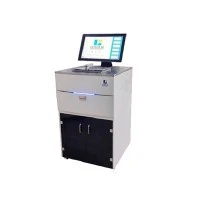
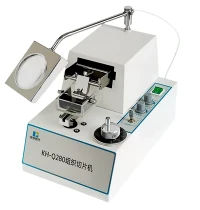
The lifespan of a tissue processor is a crucial consideration for laboratories and research facilities that rely on these machines for the preparation of biological specimens. As a leading supplier of tissue processors, we understand the importance of providing reliable and long - lasting equipment to our customers. In this blog, we will explore the factors that influence the lifespan of a tissue processor and offer insights on how to maximize its service life.
Factors Affecting the Lifespan of a Tissue Processor
1. Quality of Construction
The build quality of a tissue processor is one of the primary determinants of its lifespan. High - quality tissue processors are constructed using durable materials and advanced manufacturing techniques. For example, the housing of the machine should be made of corrosion - resistant materials such as stainless steel to withstand the harsh chemicals used in tissue processing. The internal components, including pumps, valves, and heating elements, should also be of high - grade quality to ensure reliable operation over an extended period. Our Tissue Processor Machine is built with the highest quality standards in mind, using premium materials and precision engineering to guarantee long - term performance.
2. Usage Frequency
The frequency of use plays a significant role in the lifespan of a tissue processor. Machines that are used continuously or for long hours each day will naturally experience more wear and tear compared to those used less frequently. In a busy histology or pathology lab, a tissue processor may be in operation for several hours a day, processing multiple specimens. This constant use can put stress on the components, leading to faster degradation. On the other hand, a research facility that only uses the tissue processor occasionally may find that the machine lasts much longer. Our Benchtop Tissue Processor for hist;ology and pathology lab is designed to handle different usage frequencies, with robust components that can withstand heavy - duty use.
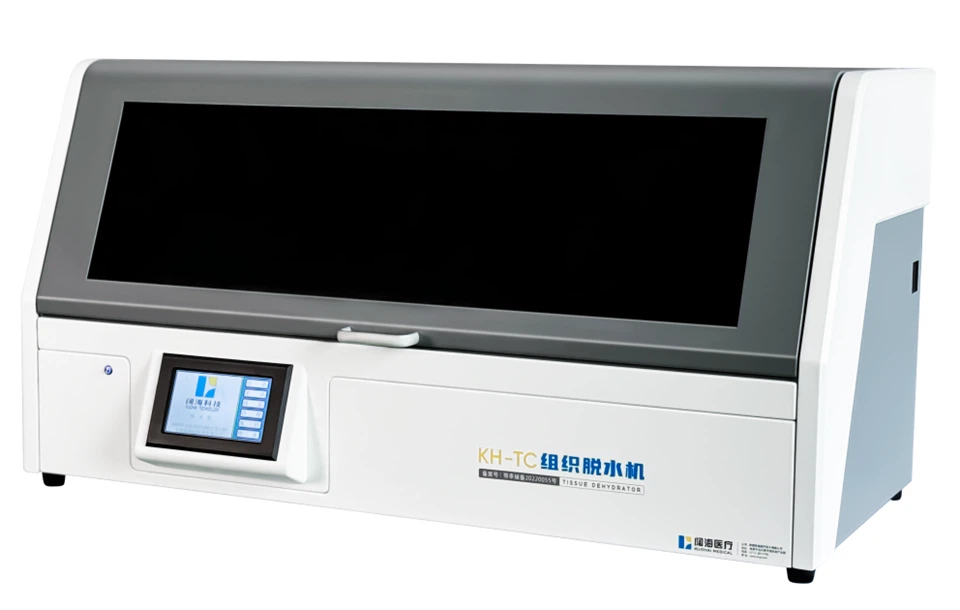

3. Maintenance and Care
Proper maintenance and care are essential for extending the lifespan of a tissue processor. Regular cleaning of the machine, including the removal of debris and chemical residues, can prevent corrosion and blockages. The pumps and valves should be inspected and serviced regularly to ensure proper fluid flow. Additionally, the heating elements need to be checked to maintain accurate temperature control. Following the manufacturer's recommended maintenance schedule is crucial. For instance, replacing filters at the appropriate intervals can prevent contaminants from entering the system and causing damage. Our company provides detailed maintenance guides for all our tissue processors, including the Enclosed Tissue Processor, to help our customers keep their machines in optimal condition.
4. Chemical Compatibility
The chemicals used in tissue processing can have a significant impact on the lifespan of a tissue processor. Some chemicals are highly corrosive and can damage the internal components of the machine if not properly managed. It is important to use chemicals that are compatible with the materials of the tissue processor. Our tissue processors are designed to be compatible with a wide range of commonly used tissue - processing chemicals, but it is still essential for users to follow the guidelines regarding chemical usage and storage.
5. Environmental Conditions
The environment in which the tissue processor is located also affects its lifespan. High humidity, extreme temperatures, and dusty conditions can all contribute to the deterioration of the machine. A tissue processor should be placed in a clean, dry, and well - ventilated area. Avoiding direct sunlight and exposure to moisture can prevent rust and electrical problems. In addition, protecting the machine from physical damage, such as accidental bumps or knocks, can also extend its lifespan.
Typical Lifespan of a Tissue Processor
On average, a well - maintained tissue processor can last between 10 to 15 years. However, this can vary depending on the factors mentioned above. A high - quality machine that is used sparingly and properly maintained may last even longer, while a machine that is subjected to heavy use and poor maintenance may need to be replaced after 5 to 7 years.
How to Maximize the Lifespan of a Tissue Processor
1. Invest in a High - Quality Machine
The first step in maximizing the lifespan of a tissue processor is to invest in a high - quality machine from a reputable supplier. Our tissue processors are built to last, with features such as advanced control systems, durable components, and user - friendly interfaces. By choosing a reliable machine, you can reduce the risk of breakdowns and costly repairs.
2. Follow the Maintenance Schedule
As mentioned earlier, regular maintenance is crucial. Create a maintenance schedule and stick to it. This includes daily, weekly, monthly, and annual maintenance tasks. For example, daily cleaning of the exterior and checking for any visible signs of damage, weekly inspection of the fluid levels and pump operation, monthly calibration of the temperature sensors, and annual servicing by a qualified technician.
3. Train Your Staff
Proper training of the laboratory staff is essential for the correct operation and maintenance of the tissue processor. Ensure that your staff is familiar with the machine's operation manual, including how to load specimens, select the appropriate processing programs, and perform basic maintenance tasks. Well - trained staff can prevent improper use of the machine, which can lead to premature wear and tear.
4. Monitor the Machine's Performance
Regularly monitor the performance of the tissue processor. Keep track of any changes in the processing time, temperature, or fluid flow. If you notice any abnormalities, such as a decrease in processing efficiency or an increase in noise levels, investigate the issue immediately. Early detection of problems can prevent further damage and extend the lifespan of the machine.
Conclusion
The lifespan of a tissue processor is influenced by multiple factors, including the quality of construction, usage frequency, maintenance and care, chemical compatibility, and environmental conditions. By understanding these factors and taking appropriate measures, you can maximize the lifespan of your tissue processor. As a trusted supplier of tissue processors, we are committed to providing high - quality machines and comprehensive support to our customers. If you are in the market for a new tissue processor or need advice on maintaining your existing machine, we invite you to contact us for a detailed discussion. Our team of experts is ready to assist you in making the best decision for your laboratory or research facility.
References
- Histology Laboratory Manuals from leading manufacturers
- Research papers on the durability and performance of laboratory equipment
- Industry standards and guidelines for tissue processing equipment