


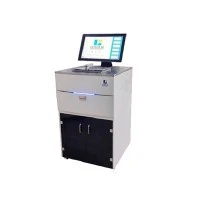

Hey there! As a supplier of Chemical Fumb Hoods, I've seen firsthand how crucial safety is when it comes to using these bad boys. One of the key aspects of maintaining a safe workspace is keeping proper safety training records for chemical fume hood users. So, let's dive into what these records actually are and why they're so important.
First off, let's talk about who needs these training records. Anybody who uses a chemical fume hood in a laboratory or industrial setting should have their training documented. This includes researchers, technicians, students, and even maintenance staff. You never know who might need to work with the fume hood, so it's best to be prepared.
Now, let's get into the nitty - gritty of what should be in these safety training records.
1. Personal Information
The first thing you'll want to include is the user's personal details. This means their full name, employee or student ID number, department, and contact information. Having this info on hand makes it easy to reach out to the user if there are any safety updates or if you need to follow up on their training.
2. Training Date and Duration
It's important to note down when the user completed their safety training and how long it took. This helps you keep track of when they're due for a refresher course. Safety regulations and best practices change over time, so regular training updates are essential. For example, if a new chemical is introduced into the lab, the users need to know how to handle it safely within the fume hood.
3. Training Content
What did the training cover? This is a biggie. The records should detail the topics that were taught during the training session. Some of the common topics include:
- Fume Hood Basics: How to properly operate the Chemical Fumb Hood. This includes turning it on and off, adjusting the airflow, and using the sash correctly. A lot of accidents happen when people don't know how to use the equipment properly, so this is fundamental.
- Chemical Handling: The safe handling, storage, and disposal of chemicals. Different chemicals have different properties, and users need to know how to deal with them to avoid spills, reactions, and exposure. For instance, some chemicals are highly flammable, while others are corrosive.
- Emergency Procedures: What to do in case of a fire, spill, or other emergency. This includes knowing where the emergency shut - off switches are, how to use the fire extinguisher, and the proper evacuation routes.
4. Trainer Information
The records should also include details about the person who conducted the training. Their name, title, and any relevant certifications are important to have. This way, if there are any questions about the training content or quality, you know who to talk to.
5. Evaluation Results
Did the user pass the training evaluation? There should be a section in the records that documents the results of any tests or assessments given at the end of the training. This helps ensure that the users have actually understood the safety procedures. If someone fails, they should be retrained until they pass.
6. Refresher Training Records
As I mentioned earlier, safety training isn't a one - time thing. Users should have their training refreshed regularly. The records should show when they've attended refresher courses and what was covered in those sessions. This helps maintain a high level of safety awareness over time.
Why Keeping These Records Is a Big Deal
Safety training records aren't just a bunch of paperwork. They serve several important purposes.
- Legal Compliance: Many countries and regions have strict regulations regarding chemical safety in the workplace. By keeping accurate training records, you can prove that you're meeting these legal requirements. If there's ever an inspection, you'll be able to show that your users are properly trained.
- Liability Protection: In the event of an accident, having comprehensive training records can protect your organization from liability. If it can be shown that the user was trained in proper safety procedures, it can be argued that you've taken all reasonable steps to ensure their safety.
- Improving Safety Practices: By analyzing the training records, you can identify areas where the training might need to be improved. For example, if a lot of users are failing a particular section of the evaluation, you can focus on that area in future training sessions.
Our Role as a Chemical Fumb Hood Supplier
As a supplier of Chemical Fumb Hoods, we don't just sell you the equipment. We're also committed to helping you maintain a safe working environment. We can provide training materials and even assist you in setting up a proper safety training program for your fume hood users.
We also offer a range of Laboratory Fume Hood options that are designed with safety in mind. Our New Model Fume Hood comes with advanced features that make it easier to use and safer for your staff.
If you're in the market for a chemical fume hood or looking to improve your safety training program, we'd love to have a chat. Don't hesitate to reach out to us to discuss your needs and find the best solutions for your laboratory or industrial facility.


In conclusion, safety training records for chemical fume hood users are a vital part of maintaining a safe workplace. By keeping these records up - to - date and comprehensive, you can ensure that your users are well - trained, your organization is compliant with regulations, and your workplace is as safe as possible.
References
- Occupational Safety and Health Administration (OSHA) guidelines on chemical safety in laboratories.
- National Fire Protection Association (NFPA) standards for chemical storage and handling.