


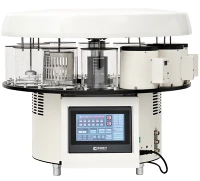


A microtome is an essential instrument in various scientific fields, including histology, pathology, and materials science. It is used to cut thin slices of specimens for microscopic examination. As a microtome supplier, I understand the importance of having a high - quality microtome. In this blog, I will discuss the key features of a good microtome.
Precision and Accuracy
One of the most crucial features of a good microtome is its precision and accuracy in cutting thin sections. The thickness of the sections can significantly affect the quality of the microscopic images. A high - precision microtome should be able to cut sections with a consistent thickness, typically ranging from a few micrometers to tens of micrometers.
The advancement in technology has allowed modern microtomes to achieve remarkable levels of precision. For example, some Automatic Microtome models can offer a cutting thickness resolution as fine as 0.1 micrometers. This level of precision ensures that the specimens are cut evenly, which is vital for accurate analysis.
Accuracy also involves the ability of the microtome to maintain the cutting angle and position. A good microtome will have a stable base and a well - designed cutting mechanism to prevent any wobbling or misalignment during the cutting process. This stability guarantees that the sections are cut straight and that the edges are smooth, minimizing artifacts in the final microscopic images.
Ease of Use
A user - friendly design is another important feature of a good microtome. Scientists and technicians who use microtomes often need to work for long hours. Therefore, a microtome that is easy to operate can improve work efficiency and reduce the risk of operator fatigue.
The controls of a microtome should be intuitive and accessible. For instance, the adjustment of the cutting thickness and the feed rate should be simple and straightforward. Many modern microtomes come with digital displays that clearly show the cutting parameters, making it easier for users to set and monitor the cutting process.
In addition, the loading and unloading of specimens should be hassle - free. A good microtome will have a specimen holder that can securely hold different types of specimens, such as tissue blocks or small materials. It should also be easy to change the blades, which is a common maintenance task. Some microtomes are designed with quick - release blade holders, allowing users to replace the blades quickly without the need for complex tools.
Versatility
A versatile microtome can handle a wide range of specimens and cutting requirements. Different scientific applications may require different types of specimens, such as animal tissues, plant tissues, or synthetic materials. A good microtome should be able to cut all these specimens effectively.
For example, Tissue Microtome models are specifically designed to cut biological tissues. They can be adjusted to cut different types of tissues, including soft tissues like liver and kidney, as well as hard tissues like bone. Some microtomes also offer the option to cut frozen tissues, which is useful in cryosectioning techniques.
In terms of cutting modes, a versatile microtome may offer both manual and automatic cutting options. Manual cutting is useful for delicate specimens or when more operator control is required. On the other hand, automatic cutting can be more efficient for large - scale specimen processing. Semi - automatic Microtome models provide a balance between the two, allowing users to have some control over the cutting process while also benefiting from automated features.
Durability and Reliability
A good microtome should be built to last. It is a significant investment for laboratories, and it needs to withstand the rigors of daily use. The materials used in the construction of the microtome should be of high quality and resistant to wear and tear.
The cutting mechanism, in particular, should be robust. The gears, motors, and other moving parts should be well - lubricated and designed to operate smoothly over a long period. A reliable microtome will also have a good warranty and after - sales service, which provides peace of mind for the users.
Regular maintenance is also essential to ensure the longevity of the microtome. A good microtome will have easily accessible parts for cleaning and servicing. The manufacturer should provide clear instructions on how to maintain the microtome, including blade sharpening, lubrication, and calibration.
Safety Features
Safety is a top priority when using any laboratory equipment, and microtomes are no exception. A good microtome should have several safety features to protect the users from potential hazards.
One of the main safety concerns is the sharp blades. A microtome should have a blade guard that covers the blade when it is not in use. This guard prevents accidental cuts and reduces the risk of injury. In addition, the blade mounting and removal process should be designed in a way that minimizes the exposure to the sharp edge.
Some microtomes also have safety interlocks that prevent the machine from operating if the blade guard is not properly in place or if the specimen holder is not loaded correctly. These interlocks add an extra layer of protection and help to prevent accidents in the laboratory.
Advanced Features
In addition to the basic features mentioned above, some modern microtomes come with advanced features that can enhance the cutting process and the quality of the results.
For example, some microtomes are equipped with anti - static devices. Static electricity can cause the sections to stick together or to the blade, which can be a problem during the cutting process. Anti - static devices help to eliminate static charges, ensuring that the sections are separated cleanly and can be easily collected.
Another advanced feature is the ability to perform serial sectioning. Serial sectioning is useful for three - dimensional reconstruction of specimens. A microtome with serial sectioning capabilities can cut a series of consecutive sections with a consistent thickness, allowing researchers to analyze the internal structure of the specimen in detail.
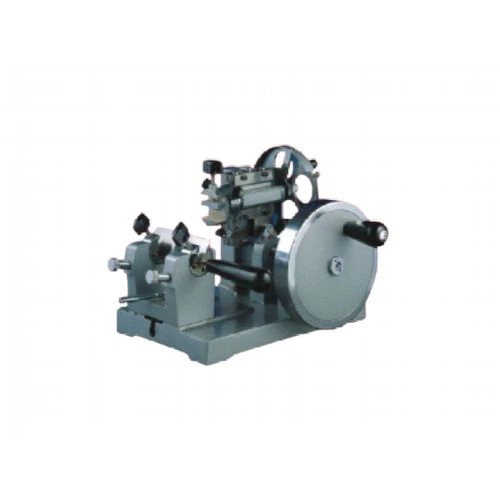

Some microtomes also offer software - based control and data management. The software can be used to program the cutting parameters, store cutting protocols, and even analyze the cutting data. This digital integration can improve the efficiency and accuracy of the cutting process, as well as facilitate data sharing and collaboration among researchers.
Conclusion
In conclusion, a good microtome should have a combination of precision, ease of use, versatility, durability, safety, and advanced features. These features ensure that the microtome can meet the diverse needs of different scientific applications and provide high - quality results.
As a microtome supplier, we are committed to providing our customers with microtomes that have all these excellent features. Our range of microtomes, including Automatic Microtome, Semi - automatic Microtome, and Tissue Microtome, are designed to meet the highest standards of performance and reliability.
If you are in the market for a new microtome or looking to upgrade your existing equipment, we invite you to contact us for more information. Our team of experts is ready to assist you in choosing the right microtome for your specific needs and to provide you with professional advice on its operation and maintenance. We look forward to the opportunity to work with you and to contribute to your scientific research.
References
- Bancroft, J. D., & Gamble, M. (2008). Theory and Practice of Histological Techniques. Churchill Livingstone.
- Kiernan, J. A. (2008). Histological and Histochemical Methods: Theory and Practice. Springer.
- Ross, M. H., & Pawlina, W. (2015). Histology: A Text and Atlas. Lippincott Williams & Wilkins.