




As a leading supplier of cryostats, I am often asked about the corrosion - resistance properties of these essential scientific instruments. Cryostats are used in a wide range of scientific and industrial applications, from medical research to materials science. Their ability to maintain extremely low temperatures makes them invaluable, but they also face unique challenges when it comes to corrosion.
The Importance of Corrosion Resistance in Cryostats
Corrosion can significantly impact the performance and lifespan of a cryostat. In a cryogenic environment, the combination of low temperatures, high humidity, and the presence of various chemicals can create a harsh environment for the materials used in cryostat construction. When corrosion occurs, it can lead to a variety of problems. For example, it can cause leaks in the cryogenic fluid containment system, which not only affects the temperature stability of the cryostat but also poses safety risks. Corroded components may also malfunction, leading to inaccurate temperature control and potentially damaging sensitive samples or equipment inside the cryostat.
Materials Used in Cryostat Construction for Corrosion Resistance
To ensure optimal corrosion resistance, cryostats are typically constructed using a variety of high - quality materials. Stainless steel is one of the most commonly used materials. It has excellent corrosion resistance due to the presence of chromium, which forms a thin, protective oxide layer on the surface of the metal. This oxide layer prevents further oxidation and corrosion, even in harsh environments.
Aluminum alloys are also popular in cryostat construction. They are lightweight, which is an advantage in many applications where portability or reduced weight is desired. Aluminum forms a natural oxide layer when exposed to air, which provides a certain degree of corrosion protection. However, in more aggressive environments, additional surface treatments may be required to enhance its corrosion resistance.
In addition to metals, polymers are often used in cryostats. Polymers such as polycarbonate and polyethylene are resistant to many chemicals and can provide a barrier against moisture. They are also electrically insulating, which is beneficial in applications where electrical interference needs to be minimized.
Surface Treatments for Enhanced Corrosion Resistance
In addition to using corrosion - resistant materials, surface treatments are often applied to cryostat components to further enhance their resistance to corrosion. One common surface treatment is passivation. This process involves treating the metal surface with an oxidizing agent to thicken the protective oxide layer. Passivation can significantly improve the corrosion resistance of stainless steel and other metals.
Another surface treatment is the application of coatings. There are various types of coatings available, including epoxy coatings, ceramic coatings, and PTFE (polytetrafluoroethylene) coatings. Epoxy coatings provide a durable, chemical - resistant barrier. Ceramic coatings offer high - temperature resistance and excellent abrasion resistance, which can be beneficial in cryostats that are exposed to mechanical stress. PTFE coatings are known for their low friction and non - stick properties, as well as their chemical resistance.
Testing and Quality Assurance of Corrosion Resistance
At our company, we take the corrosion resistance of our cryostats very seriously. We conduct rigorous testing to ensure that our products meet the highest standards. Salt spray testing is one of the most common methods used to evaluate the corrosion resistance of materials and coatings. In this test, the cryostat components are exposed to a salt - laden mist for a specified period of time. After the test, the components are inspected for signs of corrosion, such as rust or pitting.
We also perform environmental chamber testing, where the cryostats are subjected to different temperature and humidity conditions to simulate real - world environments. This helps us to identify any potential corrosion issues and make necessary improvements to our designs and manufacturing processes.


Applications and the Need for Corrosion Resistance
The corrosion - resistance properties of cryostats are crucial in a variety of applications. In medical research, cryostats are used to preserve and section biological samples at low temperatures. These samples are often stored in solutions containing chemicals, and the cryostat must be able to resist corrosion from these chemicals. A cryostat with poor corrosion resistance could contaminate the samples and affect the accuracy of the research results.
In the semiconductor industry, cryostats are used to test and characterize semiconductor devices at low temperatures. The presence of corrosive gases or chemicals in the testing environment requires a cryostat that can withstand corrosion to ensure the reliability of the testing process.
Our Product Range and Corrosion Resistance
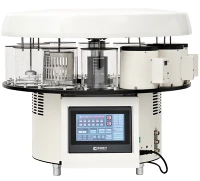
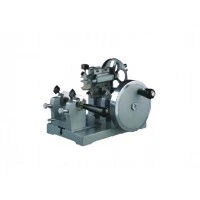
We offer a wide range of cryostats, including the Cryostat Microtome With Touch Screen, Cryostat Microtome, and Cryotome. All of our cryostats are designed with corrosion resistance in mind. Our engineering team carefully selects the materials and surface treatments to ensure that our products can perform reliably in various environments.
Contact Us for Your Cryostat Needs
If you are in the market for a high - quality cryostat with excellent corrosion - resistance properties, we invite you to contact us. Our team of experts is ready to assist you in selecting the right cryostat for your specific application. We can provide detailed information about the corrosion - resistance features of our products and answer any questions you may have. Whether you are a researcher in a laboratory or an engineer in an industrial setting, we have the cryostat solutions to meet your needs.
References
- ASM Handbook Volume 13A: Corrosion: Fundamentals, Testing, and Protection. ASM International.
- Callister, W. D., & Rethwisch, D. G. (2017). Materials Science and Engineering: An Introduction. Wiley.
- Uhlig, H. H., & Revie, R. W. (1985). Corrosion and Corrosion Control: An Introduction to Corrosion Science and Engineering. Wiley - Interscience.