




Tissue processors are indispensable tools in histopathology laboratories, facilitating the preparation of tissue samples for microscopic examination. As a leading tissue processor supplier, we understand the paramount importance of safety when using these instruments. This blog post aims to provide comprehensive safety precautions to ensure the well-being of laboratory personnel and the integrity of tissue processing procedures.
Personal Protective Equipment (PPE)
Wearing appropriate personal protective equipment is the first line of defense when operating a tissue processor. Laboratory personnel should don protective gloves made of nitrile or latex to prevent direct contact with hazardous chemicals used in the tissue processing cycle, such as formaldehyde, ethanol, and xylene. These chemicals can cause skin irritation, allergic reactions, and even long-term health effects if absorbed through the skin.
In addition to gloves, safety goggles or a face shield should be worn to protect the eyes from splashes or fumes. Chemical splashes can cause severe eye damage, so it is crucial to have adequate eye protection at all times. A lab coat or apron made of a chemical-resistant material should also be worn to protect clothing and skin from spills and splashes.
Ventilation
Proper ventilation is essential when using a tissue processor. The chemicals used in tissue processing emit fumes that can be harmful if inhaled. Therefore, tissue processors should be operated in a well-ventilated area, preferably under a fume hood. A fume hood effectively captures and removes hazardous fumes from the air, reducing the risk of inhalation exposure.
Regular maintenance of the ventilation system is also crucial to ensure its effectiveness. Filters should be replaced regularly, and the airflow should be monitored to ensure that it meets the recommended standards. In addition, the laboratory should have a proper exhaust system to remove any remaining fumes from the room.
Chemical Handling
The chemicals used in tissue processing are hazardous and should be handled with extreme care. Before using any chemical, laboratory personnel should read the safety data sheet (SDS) to understand its properties, hazards, and handling procedures. Chemicals should be stored in a designated area away from heat, light, and incompatible substances.
When transferring chemicals, use appropriate containers and equipment to prevent spills and splashes. Avoid overfilling containers, and ensure that they are tightly sealed when not in use. In case of a spill, follow the spill response procedures outlined in the SDS. This may include wearing appropriate PPE, containing the spill, and cleaning it up using absorbent materials.
Equipment Maintenance
Regular maintenance of the tissue processor is essential to ensure its safe and efficient operation. The manufacturer's instructions for maintenance and calibration should be followed carefully. This may include cleaning the instrument, replacing filters, and checking the integrity of the seals and valves.
Before each use, the tissue processor should be inspected for any signs of damage or malfunction. If any issues are detected, the instrument should be taken out of service immediately and repaired by a qualified technician. In addition, the tissue processor should be calibrated regularly to ensure accurate and consistent results.
Training and Education
Proper training and education are essential for laboratory personnel who operate tissue processors. They should receive comprehensive training on the safe use of the instrument, including the handling of hazardous chemicals, the operation of the equipment, and the emergency procedures.
Training should be provided by a qualified instructor and should include both theoretical and practical components. Laboratory personnel should also be updated on any changes in safety procedures or regulations. In addition, they should be encouraged to ask questions and seek clarification if they are unsure about any aspect of the operation.
Emergency Preparedness
Despite taking all the necessary safety precautions, emergencies can still occur. Therefore, it is essential to have an emergency preparedness plan in place. This plan should include procedures for dealing with chemical spills, fires, and other emergencies.
Laboratory personnel should be trained on the emergency procedures and should know how to use the emergency equipment, such as fire extinguishers, eyewash stations, and safety showers. In addition, the laboratory should have a first aid kit readily available in case of an injury.
Specific Precautions for Different Types of Tissue Processors
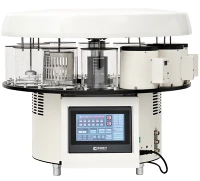
Kuohai Medical KH-TD Spin Tissue Processor (vacuum Option)
The Kuohai Medical KH-TD Spin Tissue Processor (vacuum Option) is a state-of-the-art tissue processor that offers advanced features for efficient tissue processing. When using this processor, it is important to follow the manufacturer's instructions carefully.
The vacuum option in this processor can help to speed up the tissue processing cycle by removing air from the processing chamber. However, it is important to ensure that the vacuum is properly maintained and that the seals are intact. Any leaks in the vacuum system can affect the quality of the tissue processing and may also pose a safety hazard.
Automatic Tissue Processor
The Automatic Tissue Processor is designed to automate the tissue processing cycle, reducing the need for manual intervention. When using an automatic tissue processor, it is important to ensure that the software is properly configured and that the instrument is calibrated regularly.
In addition, the automatic tissue processor should be monitored during operation to ensure that it is functioning properly. Any error messages or abnormal behavior should be addressed immediately to prevent any potential safety issues.
Automatic Tissue Processor in Histopathology
The Automatic Tissue Processor in Histopathology is specifically designed for use in histopathology laboratories. It offers advanced features for the processing of tissue samples, such as programmable cycles and temperature control.
When using an automatic tissue processor in histopathology, it is important to ensure that the tissue samples are properly prepared and labeled before processing. In addition, the processor should be cleaned and maintained regularly to prevent cross-contamination between samples.
Conclusion
Using a tissue processor safely requires a combination of proper personal protective equipment, ventilation, chemical handling, equipment maintenance, training, and emergency preparedness. By following these safety precautions, laboratory personnel can minimize the risk of exposure to hazardous chemicals and ensure the integrity of the tissue processing procedures.


As a tissue processor supplier, we are committed to providing high-quality products and comprehensive support to our customers. If you are interested in purchasing a tissue processor or have any questions about safety precautions, please feel free to contact us for a consultation. We look forward to working with you to meet your tissue processing needs.
References
- American Society for Clinical Pathology (ASCP). Laboratory Safety Manual.
- Occupational Safety and Health Administration (OSHA). Hazard Communication Standard.
- Manufacturer's instructions for tissue processor models.