


Hey there! As a supplier of cryostats, I've seen my fair share of compatibility issues with cryostat accessories. In this blog, I'll break down some of the common problems and how you can deal with them.
First off, let's talk about what cryostats are. Cryostats are devices used to maintain a very low temperature, usually for scientific research or medical applications. They're pretty cool (pun intended) because they allow scientists to study materials and biological samples at extremely cold temperatures. But like any piece of equipment, cryostats need accessories to work properly.
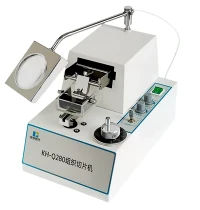
One of the most common compatibility issues is with the Cryotome. A cryotome is a specialized microtome used to cut thin sections of frozen samples. It's a crucial accessory for cryostats, but it can sometimes have problems fitting or working correctly with certain cryostat models.
The main issue here is often the physical dimensions. Cryotomes come in different sizes and shapes, and not all of them will fit perfectly into every cryostat. For example, if the cryotome is too large, it might not fit inside the cryostat chamber. On the other hand, if it's too small, it might not be able to hold the samples properly or might not be stable enough during the cutting process.
Another problem can be the interface between the cryotome and the cryostat. Some cryotomes require a specific type of connection or control system to work with the cryostat. If the cryostat doesn't have the right ports or the necessary software, the cryotome might not function correctly. This can lead to inaccurate cutting, poor sample quality, or even damage to the equipment.
Next up, we have the Cryostat Microtome. Similar to the cryotome, a cryostat microtome is used for cutting thin sections of samples at low temperatures. Compatibility issues with cryostat microtomes can also be related to size and interface.
In addition to physical fit, the cutting mechanism of the microtome needs to be compatible with the cryostat's temperature control system. If the microtome can't handle the extremely low temperatures inside the cryostat, it might malfunction or produce inconsistent results. For example, the blade might become brittle or the motor might not work properly in the cold environment.
Another aspect to consider is the software compatibility. Many modern cryostat microtomes are controlled by software, and this software needs to be compatible with the cryostat's operating system. If there are version mismatches or conflicts, it can cause problems with the operation of the microtome, such as incorrect cutting speeds or inaccurate positioning.
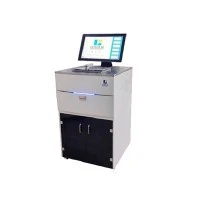
Now, let's look at Cryostats Semi - Automatic. Semi - automatic cryostats are a popular choice because they offer a balance between manual control and automation. However, they can also have compatibility issues with accessories.
One common problem is with the sample holders. Different semi - automatic cryostats might have different types of sample holder designs. If you try to use a sample holder that's not compatible with your cryostat, it might not hold the sample securely or might not be able to position it correctly for cutting.
Also, the automation features of semi - automatic cryostats need to be compatible with the accessories. For example, if you're using an automated sample loading system, it needs to be able to communicate with the cryostat's control system. If there's a communication breakdown, it can lead to errors in sample handling and cutting.
So, how can you avoid these compatibility issues? Well, the first step is to do your research before purchasing any accessories. Make sure to check the specifications of both the cryostat and the accessory to ensure they're a good match. You can also reach out to the manufacturers for advice. They can usually provide detailed information about which accessories are compatible with their cryostats.
Another tip is to test the accessories before using them in a critical experiment. This can help you identify any potential problems early on and make adjustments if necessary.
If you do run into compatibility issues, don't panic. Most problems can be solved with a little troubleshooting. You might need to make some minor adjustments to the equipment, update the software, or even replace some parts.


In conclusion, compatibility issues with cryostat accessories are a common challenge, but with the right knowledge and approach, they can be managed. As a cryostat supplier, I'm here to help you navigate these issues and find the best solutions for your needs. If you're in the market for cryostats or accessories, and you want to discuss compatibility or make a purchase, feel free to reach out. We can have a chat about your specific requirements and find the perfect setup for you.
References
- General knowledge from years of experience in the cryostat industry.
- Manufacturer's documentation for cryostats and accessories.