


Pests can be a huge headache when it comes to specimen cabinets. As a supplier of top - notch specimen cabinets, I've seen firsthand the damage pests can cause to valuable specimens. In this blog, I'll share some practical tips on how you can prevent pests from entering your specimen cabinet.
Understanding the Enemy: Common Pests in Specimen Cabinets
Before we jump into prevention methods, it's crucial to know which pests we're dealing with. Insects like beetles, moths, and cockroaches are often attracted to specimen cabinets. They're drawn to the organic materials in specimens, such as dried plants, animal tissues, and even the glue used in mounting. Rodents can also be a problem, as they might chew through cabinets and damage specimens in search of food or nesting materials.
Keep the Cabinet Clean
One of the simplest yet most effective ways to prevent pests is to keep the specimen cabinet clean. Dust can accumulate over time, providing a hiding place for pests and their eggs. Regularly wipe down the interior and exterior of the cabinet with a mild, non - abrasive cleaner. Pay special attention to the corners and edges, where dust and debris tend to collect.
When cleaning, remove all specimens carefully. Inspect them for any signs of pest infestation, like holes, webbing, or droppings. If you find any affected specimens, isolate them immediately to prevent the spread of pests to other items.
Seal the Cabinet Properly
A well - sealed cabinet is your first line of defense against pests. Check the cabinet for any gaps, cracks, or holes. Even the tiniest opening can be an entry point for insects. You can use caulk or weatherstripping to seal these areas. Make sure the doors close tightly and that there's no space between the door and the frame.
For added protection, consider installing a magnetic seal on the cabinet doors. This type of seal creates a tight closure and can be very effective in keeping pests out.
Control the Environment
Pests thrive in certain environmental conditions. By controlling the temperature and humidity inside and around the specimen cabinet, you can make it less inviting for them. Most pests prefer warm and humid environments. Aim to keep the temperature in the room where the cabinet is located between 60 - 70°F (15 - 21°C) and the humidity between 30 - 50%.
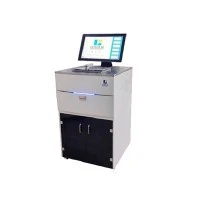
You can use a dehumidifier to reduce humidity levels if necessary. Some specimen cabinets, like the Specimen Freezer, are designed to maintain a specific temperature and humidity range, which can be a great option for pest prevention.
Use Pest Repellents
There are several natural and chemical pest repellents that you can use to protect your specimen cabinet. Natural repellents like cedar chips, lavender sachets, and cloves can be placed inside the cabinet. These substances have scents that pests find unpleasant.
If you prefer a more powerful solution, you can use chemical pest repellents. However, be careful when using them around specimens, as some chemicals might damage the materials. Always follow the manufacturer's instructions when using chemical repellents.
Store Specimens Correctly
How you store your specimens can also play a role in pest prevention. Use high - quality storage containers, such as the Slide Cabinet or Paraffin Block Cabinet. These cabinets are designed to provide a secure and protected environment for your specimens.
Make sure the specimens are properly labeled and organized. This not only makes it easier to find what you need but also allows you to quickly spot any signs of pest infestation. Avoid overcrowding the cabinets, as this can create hiding places for pests and make it difficult to clean.
Regular Inspections
Don't wait until you see visible signs of pests to take action. Set up a regular inspection schedule for your specimen cabinet. Check both the specimens and the cabinet itself for any signs of damage or pest activity. Look for things like chewed edges, frass (insect droppings), or the presence of live insects or rodents.
During inspections, also check the seals and closures of the cabinet. If you notice any wear and tear, repair or replace them as soon as possible.
Educate Your Staff
If you're using the specimen cabinet in a laboratory or a museum setting, it's important to educate your staff about pest prevention. Make sure they know how to handle specimens properly, how to keep the cabinet clean, and what to look for during inspections.
Encourage them to report any signs of pests immediately. The earlier you detect an infestation, the easier it will be to control.
Professional Pest Control
In some cases, it might be necessary to call in a professional pest control service. If you've tried all the above methods and still have a pest problem, or if the infestation is severe, a professional can provide a more comprehensive solution.
Professional pest control companies have the expertise and tools to safely and effectively eliminate pests without causing damage to your specimens. They can also provide advice on long - term pest prevention strategies.
Conclusion
Preventing pests from entering a specimen cabinet is a multi - step process that requires a combination of cleanliness, proper storage, environmental control, and regular inspections. By following these tips, you can protect your valuable specimens from the damage caused by pests.


If you're in the market for a high - quality specimen cabinet or other related storage solutions, don't hesitate to reach out and start a conversation about your needs. We're here to help you find the best products for your specific requirements.
References
- "Pest Management in Museums, Libraries, and Archives" by Jeffrey A.ery and Peggy G.
- "Specimen Care and Conservation Handbook" by The Society for Conservation Biology.