



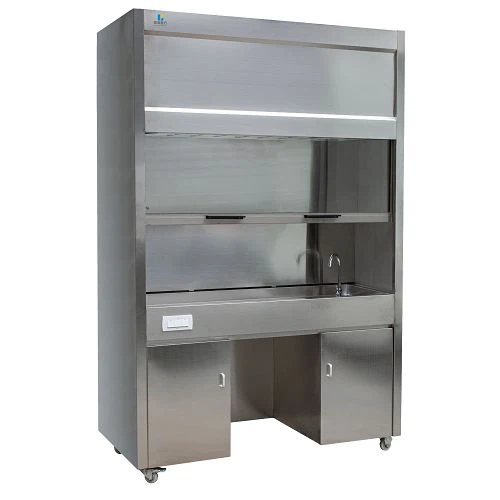
Ensuring the stability of a fume hood during operation is of utmost importance for both the safety of laboratory personnel and the accuracy of experimental results. As a fume hood supplier, we understand the critical role that a stable fume hood plays in a laboratory environment. In this blog post, we will discuss various factors that affect the stability of a fume hood and provide practical tips on how to ensure its optimal performance.
Understanding the Basics of Fume Hood Stability
Before delving into the specific measures to ensure stability, it is essential to understand what stability means in the context of a fume hood. A stable fume hood is one that maintains a consistent airflow pattern, effectively captures and removes hazardous fumes, and remains structurally sound throughout its operation. Any deviation from these criteria can compromise the safety and functionality of the fume hood.

Factors Affecting Fume Hood Stability
Airflow and Ventilation
The airflow within a fume hood is crucial for its stability. A well-designed fume hood should have a uniform airflow pattern that effectively captures and exhausts hazardous fumes. Any disruptions to the airflow, such as blockages or improper ductwork, can lead to uneven air distribution and reduced capture efficiency.
To ensure proper airflow, it is important to regularly inspect and clean the fume hood's exhaust system. This includes checking the ductwork for any obstructions, ensuring that the fans are functioning correctly, and verifying that the air intake and exhaust grilles are not blocked. Additionally, it is recommended to use a calibrated airflow monitor to measure the velocity and volume of the airflow within the fume hood. This will help identify any issues with the ventilation system and allow for timely adjustments.
Structural Integrity
The structural integrity of a fume hood is another critical factor in ensuring its stability. A fume hood that is not properly installed or is damaged can pose a significant safety risk. Over time, the constant exposure to chemicals and vibrations can weaken the fume hood's structure, leading to leaks, cracks, or even collapse.
To maintain the structural integrity of the fume hood, it is important to follow the manufacturer's installation instructions carefully. This includes ensuring that the fume hood is level, securely anchored to the floor or wall, and properly connected to the ventilation system. Additionally, regular inspections should be conducted to check for any signs of damage or wear. If any issues are detected, they should be repaired immediately to prevent further damage.
Chemical Compatibility
The chemicals used in a laboratory can have a significant impact on the stability of a fume hood. Some chemicals are highly corrosive or reactive, and if they come into contact with the fume hood's materials, they can cause damage or degradation. Therefore, it is important to choose a fume hood that is made from materials that are compatible with the chemicals being used.
When selecting a fume hood, it is important to consider the type of chemicals that will be used in the laboratory. For example, if you are working with strong acids or bases, you may need a fume hood that is made from a corrosion-resistant material such as stainless steel or polypropylene. Additionally, it is important to follow the manufacturer's guidelines for chemical storage and handling to minimize the risk of chemical spills or leaks.
User Behavior
The behavior of laboratory personnel can also affect the stability of a fume hood. Improper use of the fume hood, such as opening the sash too wide or placing objects in front of the air intake grille, can disrupt the airflow and reduce the capture efficiency. Therefore, it is important to provide proper training to laboratory personnel on the correct use of the fume hood.
Training should include instructions on how to open and close the sash properly, how to position equipment within the fume hood, and how to avoid blocking the air intake and exhaust grilles. Additionally, it is important to enforce strict safety protocols and guidelines to ensure that laboratory personnel follow proper procedures when using the fume hood.
Tips for Ensuring Fume Hood Stability
Regular Maintenance
Regular maintenance is essential for ensuring the stability of a fume hood. This includes cleaning the fume hood's interior and exterior surfaces, inspecting the exhaust system for any blockages or damage, and checking the structural integrity of the fume hood. Additionally, it is recommended to have the fume hood professionally serviced at least once a year to ensure that it is functioning properly.
Calibration and Testing
Calibration and testing are important for ensuring that the fume hood is operating at its optimal performance. This includes measuring the airflow velocity and volume, checking the face velocity, and verifying the capture efficiency. Additionally, it is recommended to conduct a smoke test to visually inspect the airflow pattern within the fume hood.
Upgrades and Replacements
Over time, the technology and materials used in fume hoods may become outdated or obsolete. Therefore, it is important to consider upgrading or replacing your fume hood if it is no longer meeting your laboratory's needs. Upgrading to a newer model of fume hood can provide improved airflow, better capture efficiency, and enhanced safety features.
Training and Education
Proper training and education are essential for ensuring that laboratory personnel use the fume hood correctly. This includes providing training on the correct use of the fume hood, the importance of maintaining proper airflow, and the potential hazards associated with working with chemicals. Additionally, it is important to provide ongoing education and training to laboratory personnel to keep them up-to-date on the latest safety protocols and guidelines.
Conclusion
Ensuring the stability of a fume hood during operation is crucial for the safety of laboratory personnel and the accuracy of experimental results. By understanding the factors that affect fume hood stability and implementing the tips and strategies outlined in this blog post, you can ensure that your fume hood is functioning properly and providing a safe and effective working environment.
If you are in the market for a new fume hood or need assistance with maintaining your existing fume hood, please do not hesitate to contact us. We are a leading Chemical Fumb Hood, Lab Fume Hood, and Chemistry Fume Hood supplier with years of experience in the industry. Our team of experts can help you select the right fume hood for your laboratory's needs and provide you with the support and services you need to ensure its optimal performance.
References
- American National Standards Institute (ANSI). (2016). ANSI/AIHA Z9.5-2016, Laboratory Ventilation.
- National Fire Protection Association (NFPA). (2015). NFPA 45, Standard on Fire Protection for Laboratories Using Chemicals.
- Occupational Safety and Health Administration (OSHA). (2012). Laboratory Safety Guide.