




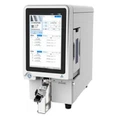

Hey there! As a supplier of grossing stations, I often get asked if these nifty pieces of equipment can be used in a marine biology laboratory. Well, let's dive right into this question and explore the ins and outs of using a grossing station in such a specialized setting.
First off, what exactly is a grossing station? In a nutshell, it's a workspace designed to handle the initial processing of biological specimens. Grossing stations come in different shapes and sizes, offering various features to make specimen handling easier and more efficient. You can check out our Sealed Grossing Workstation, Pathology Workstation, and Grossing Station for Histology to get a better idea of what's out there.
Now, back to the main question: Can a grossing station be used in a marine biology laboratory? The short answer is yes, and here's why. Marine biology labs deal with a wide range of specimens, from tiny plankton to large marine mammals. Just like in a medical or pathology lab, marine biologists need a proper workspace to examine, dissect, and prepare these specimens for further analysis.
One of the key advantages of using a grossing station in a marine biology lab is the organization it provides. With dedicated areas for specimen handling, cutting, and storage, a grossing station helps keep the workspace tidy and efficient. This is especially important when dealing with multiple specimens at once or when working on complex dissections. For example, a well - designed grossing station can have separate trays for different types of tissues or organs, making it easier to keep track of the specimens during the dissection process.
Another benefit is the safety features that many grossing stations offer. Marine specimens can sometimes carry harmful bacteria, viruses, or toxins. A grossing station with proper ventilation and containment systems can help protect the lab personnel from these potential hazards. For instance, a sealed grossing workstation can prevent the spread of aerosols and fumes, reducing the risk of exposure to harmful substances.
In addition, grossing stations are often equipped with features that are useful for marine biology research. They usually have adjustable lighting, which is crucial for examining specimens in detail. Good lighting can help researchers identify different structures and features of the marine specimens, whether it's the delicate fins of a fish or the complex internal organs of a squid.
Moreover, some grossing stations come with built - in sinks and drainage systems. In a marine biology lab, this is extremely useful as specimens often need to be washed and cleaned during the preparation process. The sink can be used to rinse off saltwater, debris, or preservatives, and the drainage system ensures that the water is safely removed from the workstation.
However, there are also some considerations when using a grossing station in a marine biology lab. One of the main challenges is the corrosion caused by seawater. Marine specimens are usually in contact with saltwater, which can be highly corrosive to some materials. Therefore, when choosing a grossing station for a marine biology lab, it's important to select one that is made of corrosion - resistant materials. Stainless steel is a popular choice as it can withstand the corrosive effects of saltwater and is also easy to clean and maintain.
Another consideration is the size of the specimens. Marine biology deals with specimens of all sizes, from microscopic organisms to large whales. A grossing station needs to be able to accommodate the size of the specimens being studied. For smaller specimens like shrimp or small fish, a standard - sized grossing station may be sufficient. But for larger specimens, a custom - built or larger - scale grossing station may be required.
The type of research being conducted in the marine biology lab also plays a role. If the research involves a lot of chemical treatments or the use of specialized equipment, the grossing station should have the appropriate space and features to support these activities. For example, if the lab is working on DNA analysis of marine specimens, the grossing station may need to have areas for storing and handling chemicals and samples in a sterile environment.
Let's talk about some real - world examples. In a small - scale marine biology lab that focuses on studying local fish populations, a standard Grossing Station for Histology can be a great addition. It can provide a dedicated and organized workspace for dissecting the fish, collecting tissue samples, and preparing them for histological examination. The adjustable lighting and built - in sink make it easy to work with the specimens, and the containment system helps protect the researchers from any potential contaminants.
On the other hand, in a large - scale marine research facility that studies large marine mammals like whales, a custom - designed grossing station may be necessary. This station would need to be large enough to accommodate the size of the specimens and may also have additional features such as heavy - duty cutting surfaces and specialized hoisting equipment to handle the large and heavy specimens.
In conclusion, a grossing station can definitely be used in a marine biology laboratory. It offers numerous benefits in terms of organization, safety, and efficiency. However, when selecting a grossing station for a marine biology lab, it's important to consider factors such as corrosion resistance, specimen size, and the type of research being conducted.
If you're in the market for a grossing station for your marine biology laboratory, I'd love to help you find the perfect one. We offer a wide range of high - quality grossing stations that can be customized to meet your specific needs. Feel free to reach out to us to start a discussion about your requirements and how we can assist you in your procurement process. Let's work together to create an efficient and safe workspace for your marine biology research!
References


- "Best Practices in Marine Biology Laboratory Setup" - A collection of industry - recommended guidelines for setting up marine biology labs
- "grossing station Design and Functionality" - An in - depth analysis of the features and functionality of different grossing stations