




Xiaogan Kuohai Medical Technology Co., Ltd. is one of the most reliable manufacturers and suppliers of chemical fumb hood in China, featured by quality products and good price. If you're going to wholesale advanced chemical fumb hood made in China, welcome to get quotation from our factory. Also, customized service and 1 year warranty are available.
Company Profile
Xiaogan kuohai medical technology co., ltd. Is a rare domestic pathology instrument manufacturing company with a widespread user base throughout china. It is also one of the few companies in the domestic and international industry capable of researching, developing, and producing a complete set of pathology instruments and consumables. "kuohai medical technology" owns five subsidiaries, including hubei xiaogan kuohai medical technology co., ltd., xiaogan kuohai medical technology co., ltd., hubei haishi industrial co., ltd., xiaogan ruifeng electronic technology co., ltd., and xiaogan dinghang decoration engineering co., ltd. The product range covers industries such as medical instruments, biotechnology, electronic technology, high-end building materials, and decoration engineering. The company is steadily moving towards industrial group development.
Why Choose Us
Rich Product Series
Paraffin rotary microtome series,cryostat microtome series,tissue embedding center series,slide stainer series,linear tissue processor series,vacuum tissue processor series,pathological grossing workstation series,liquid based cytology processor series and consumables.
High Quality
We continuously strive to optimize the R&D process and production links. Every product undergoes meticulous design and rigorous testing procedures to ensure that it meets the expectations of our customers.
Wide Range of Application
The products we offer have extensive applications in various industries such as medical devices, biotechnology, electronic technology, high-end building materials, and decoration engineering.
Complete Qualifications
The company has successfully passed the ISO9001, ISO13485, and CE certifications, and holds numerous national patent certificates. This clearly demonstrates its position as a reliable and innovative player in the industry.
Our Related Products
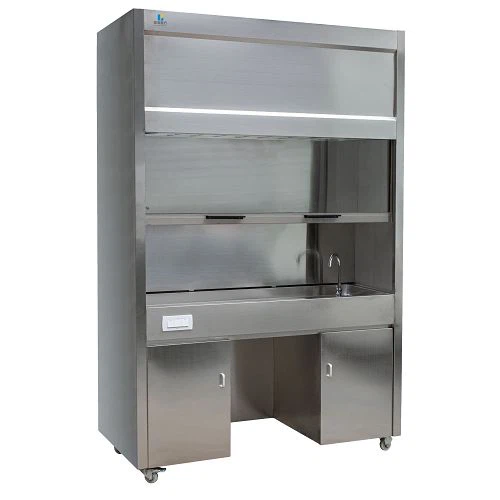
A laboratory fume hood reduces exposure by containing the fumes and particulate dispersed during an experiment and a powerful fan diverts the airflow into a filter chamber or into external duct work to be released outside the building.

Laboratory fume hoods provide operator and environmental protection from hazardous fumes, particulates, and other gases. Through inhalation, harmful fumes directly enter the bloodstream and small particles may become embedded deep within the lungs.

A chemical fume hood is an essential engineering control designed to contain, capture and eliminate hazardous chemical fumes, aerosols or particulates away from the user's breathing zone. Proper use of a properly functioning fume hood is required for protection against exposure to many hazardous chemicals used in the laboratory.

A portable fume hood, also known as a ductless fume hood or recirculating range hood, recirculates the air in your lab after passing it through a filter. This type of fume hood is self-contained in that it passes a continuous flow of air across the work surface, drawing it through the filter to remove impurities, particles and chemical fumes. These hazardous fumes can pose dangers to the staff in your lab.

Resistant to corrosion, acids, alkalis, and high temperatures. Various materials, such as compact laminate, epoxy resin, or ceramic, can be selected based on different experimental requirements for high-temperature or strong acid-alkali operations.
What is Chemical Fumb Hood?
Chemical fume hoods are equipped with a fan in the duct work that generates air flow from the front to the back of the hood. Air escapes through slots or baffles at the back of the hood. The air flow captures vapors and prevents them from diffusing into the room. A chemical fume hood reduces exposure to hazardous fumes, vapors, gases and dusts. The chemical fume hood prevents hazardous airborne material from contaminating the general laboratory space by diluting the contaminated air with a large amount of replacement air, pulling the air through an exhaust system and then expelling it through vents and air stacks located on the roof of the isc.
Advantages of Chemical Fumb Hood
Enhanced safety measures
Chemical fume hood protect laboratory personnel from harmful fumes, vapors, and particles generated during experiments or chemical processes. This feature is especially critical when dealing with toxic, flammable, or corrosive materials.
Improved energy efficiency
Energy efficiency is a vital consideration in laboratory settings because of the substantial energy consumption associated with fume hood operation. Energy-efficient laboratory fume hoods help laboratories reduce their energy consumption and associated costs. These technologies optimize air exchange rates and reduce the energy required for fume hood operation without compromising safety.
Environmental sustainability
By using energy-efficient laboratory fume hoods, laboratories can contribute to a more sustainable future. The energy-saving features of fume hoods not only reduce energy consumption but also minimize the laboratory's carbon footprint. By conserving energy, laboratories can lower greenhouse gas emissions and promote a healthier planet.
Cost savings
Energy-efficient chemical fume hood offer significant cost savings in the long run. While the initial investment in energy-efficient fume hoods might be slightly higher, the reduced energy consumption translates into lower utility bills. Over time, the savings on energy costs can offset the initial investment. Energy-efficient fume hoods require less maintenance, resulting in reduced maintenance and repair expenses.

Working Principle of Chemical Fumb Hood
Chemical fume hoods draw air out of the rooms in which they are installed. There needs to be an adequate volume of air available or the chemical fume hood will not be able to draw a sufficient volume of air to function properly. When the room is small or there are a large number of fume hoods drawing air out of a room, an additional supply of air, other than the normal room ventilation, may be required. This additional air is known as the make-up air. If the make-up air supply is not adequate or the make-up air is switched off then the fume-hoods may not be able to achieve the required face velocity (also known as the air flow rate, or rate of air exhausted by the hood). This can cause fumes to escape into the laboratory. At geneseo, all of the chemistry academic labs use make-up air to replace the air the chemical fume hoods exhaust. This is why after a fire alarm in the isc, when the make up air is automatically shut off, all the doors in chemistry academic labs become extremely difficult to open due to the much lower pressure created in the labs compared to the air in the hallways of the isc and greene.
Distillation fume hood
It is distinct from others because of its low worktop height, which allows the operator to operate from a highly elevated position. This allows for the installation and mounting of tall distillation equipment in the work chamber. The remaining characteristics of this kind of hood and other typical fume hoods are similar.
Acid digestion fume hood
Special liners composed of materials such as unplasticized pvc are employed in such fume hoods because of their ability to withstand acid. For acid digestion applications that require high temperatures while being in service, it is possible to employ different types of materials such as pvdf instead. Because they are resistant to the etching caused by hydrofluoric acid, polycarbonate sashes are often used.
Non-fume hoods
It is not uncommon for chemical fume hoods such as biological safety cabinets, laminar flow clean benches, pharmacy isolators, and glove boxes to be mistaken for biological safety cabinets. As a result of particulate filters, these devices cannot eliminate chemical vapors from the air.
How To Use A Chemical Fume Hood
Before using a fume hood
Familiarize yourself with the chemicals. When working with hazardous materials, you should make sure you know the potential safety hazards. Read the safety data sheet (sds) and follow the safety precautions.
Note the nearest exit, emergency eyewash, and fire extinguisher. Make sure the pathways to these areas are unobstructed.
Check the fume hood certification sticker. Fume hoods should be inspected once a year. The certification sticker lists when the hood was last tested and its average face velocity. The average face velocity ranges from 100 fpm to 120 fpm. Typically, general-use fume hoods are set at 115 fpm.
Ensure the exhaust is operating properly. A fume hood's main job is to exhaust hazardous vapors and fumes out of the area.
Check the baffles to make sure they are not obstructed.
If the fume hood has an airflow monitor, check the monitor's status to ensure proper functioning. If you ever suspect changes in airflow while working, take a break to check things out.
Assure all sashes, interior baffles, and panels are in place.
Properly using a fume hood
All procedures that include the use of volatile materials should take place inside of a fume hood. Flammable solvents, corrosive acids, corrosive bases, combustible or potentially explosive concentrations of gases, irritating vapors or dust, asphyxiating gases, or open sources of volatile radionuclides are all examples of materials that must be used inside of a fume hood.
Place chemicals at least six inches inside the hood. In the case of an emergency, you'll need to be able to close the sash quickly. Make sure that nothing is ever blocking this area and that only the chemicals you need for the procedure are inside of the hood. Additional materials will only increase the hazard. Also, placing chemicals at least six inches inside the hood will limit the potential for fumes to escape into the laboratory.
Keep the sash at 18 inches or less from the working surface while using the hood to ensure maximum flow rate and to protect yourself from potential chemical splashes or explosions. The sash works as a safety shield in the case of an explosion. The glass is designed to spider instead of shatter. The sash should be closed when you are not working in the hood.
Keep your face outside of the fume hood. Unless you're using a walk-in fume hood, your hands should be the only part of your body inside of the hood. The sash acts as a barrier and is there for protection while completing hazardous work.
After using a fume hood
Shut the sash. It is necessary to have the fume hood open when working inside of it, but when not in use, keep it closed. When the sash is closed, energy will be conserved.
Place hazardous materials in a closed container. To avoid releasing hazardous materials into the laboratory air, place materials in a closed container before removing them from the hood.
If you're planning on using a fume hood, familiarize yourself with basic functions and emergency procedures. Note that specialty fume hoods may require additional measures before, during, or after use. Design your experiments to minimize your exposure to hazardous materials and always look for ways to improve safety. When fume hoods are used properly, they help to ensure that laboratories remain safe and effective workspaces for all.
Flexible sizes and constructions
There are several different types of fume hoods available. Most of them are large, box-shaped units that allow ease of use while standing up. If your lab is designed to be ada compliant, there are laboratory fume hoods custom built to meet those standards. If your facility often handles very large objects that give off toxic fumes, investing in a walk-in fume cupboard would probably be the best option. They're highly customizable, including different drainage options and the ability to be built right to your specifications.
Different fume hoods for different materials
Many varieties of chemical fume hood cupboards are categorized by what kinds of materials they're built to safely contain. Fume hood chemistry is a vital consideration when determining what unit will best suit your lab. There are some designed to handle the unique properties of perchloric acid by limiting the opportunity for perchloric salts to accumulate and polypropylene fume hoods engineered to resist other acid-rich environments like sulphuric and hydrochloric acids.
Biosafety cabinets feature a fume hood chamber that's best suited for work with infectious disease with total recirculation, partial exhaust, and full exhaust models available. This is useful in keeping your lab workers safe if your facility deals in research for dangerous communicable diseases like hiv and hepatitis b. Chemical fume hood cupboards specialized for work involving radioisotopes are also available if the nature of your lab's work requires one.
Other fume hoods for nontoxic materials
For less hazardous situations, wall-mounted or ceiling-suspended canopy fume hoods like the kind you'd see over a household oven are a good option. These are only meant for nontoxic fumes like steam, heat, and odours. For localized fumes, extractor arm fume hoods can be mounted to a bench, ceiling, or wall. They're also used for odours and air streams and provide a quick solution for creating fume-free workplaces.
Choosing the best laboratory fume hoods
When considering the right chemical fume hood to include in your lab design, it's immediately apparent that there are a lot of options to choose from. The most important things to keep in mind are the size of your space and the kind of materials you'll be working with. Most types of fume hoods are custom-built to your specifications. With this flexibility in mind, decide what your facility really needs and then choose the model(s) most appropriate to keep your lab safe.
Guidelines for Safe Use of Chemical Fume Hoods
1. Before using a chemical fume hood, become familiar with the locations of the nearest exit, emergency shower, eye-wash station, and fire extinguisher. Ensure emergency equipment remains unobstructed at all times.
2. Wear personal protective equipment (e.G. Goggles, gloves, and laboratory coats). Chemical fume hoods are by no means a replacement for ppe and good laboratory practices.
3. Good housekeeping is important inside chemical fume hoods. Keep chemicals at least six inches behind the sash opening to avoid obstructing the linear flow of air.
4. Properly capped chemical containers do not need to be stored inside chemical fume hoods.
5. Opening or closing doors or windows, or a person moving quickly across in front of the chemical fume hood might create sufficient current to momentarily interrupt the linear airflow of the chemical fume, resulting in potential chemical exposure to laboratory occupants.
6. Keep the chemical fume hood uncluttered; the more cluttered a chemical fume hood, the more airflow disturbances may interfere with operation of the hood. Storage of materials/equipment in the chemical fume hood should be kept to a minimum.
7. Where open flame is used, no flammable liquids may be kept in the chemical fume hood. Flammable liquids should be stored in a cabinet or other safe location when not in immediate use.
8. The vertical sliding sash serves as a physical barrier in the event of chemical splashes within the chemical fume hood. The sash should be kept below eye level, with an opening no higher than 18 inches to protect the user in the event that hazardous materials escape the chemical fume hood. A yellow tag issued by eh&s indicates the height of the sash opening where a face velocity of 80-120 fpm is achieved.
9. Keep your head outside of the chemical fume hood at all times. Keep the sash closed when the chemical fume hood is not attended to conserve energy and in case of chemical reactions inside the fume hood.
10. Work surface of the chemical fume hood should be thoroughly cleaned after completion of all experiments and immediately following use of any chemicals.
11. Remain alert to changes in airflow and be familiar with appropriate emergency procedures in the event of chemical fume hood failure. Report chemical fume hood failure to the laboratory supervisor and/or facilities for repair.
FAQ
Hot Tags: chemical fumb hood, China chemical fumb hood manufacturers, suppliers, factory, Lab Fume Hood, Portable Fume Hood, Fume Hood, Chemistry Fume Hood, Chemical Fumb Hood, Laboratory Fume Hood


