




Hey there! As a microtome supplier, I often get asked about the temperature range for a cryostat microtome. It's a crucial aspect, especially for those in the medical, research, and biological fields. So, let's dive right into it!
Understanding Cryostat Microtomes
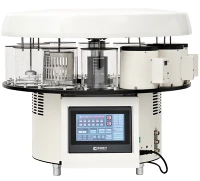
First off, what exactly is a cryostat microtome? Well, it's a specialized device used to cut extremely thin slices of frozen tissue samples for microscopic examination. The freezing process helps to preserve the tissue structure and makes it easier to obtain high - quality sections.
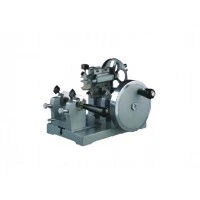
There are different types of microtomes out there, like the Rotary Microtome, which is great for paraffin - embedded samples, and the Freezing Microtome and Frozen Microtome, which are closely related to cryostat microtomes. But we're focusing on cryostat microtomes here.
The Ideal Temperature Range
The temperature range for a cryostat microtome typically falls between -10°C and -35°C. This range is carefully calibrated to balance several factors.
At the higher end of the range, around -10°C, the tissue is relatively soft. This can be beneficial when dealing with delicate tissues that might become too brittle at lower temperatures. For example, some soft tumors or certain types of nervous tissue may be better sectioned at this temperature. However, there's a trade - off. At this higher temperature, the tissue may not hold its shape as well, and you might end up with sections that are a bit more difficult to handle.
As we move towards the lower end of the range, at -35°C, the tissue becomes much harder. This is great for tissues that are naturally soft or fatty, like adipose tissue. The cold temperature solidifies the fat, making it easier to cut clean, thin sections. But again, there are challenges. Extremely cold temperatures can cause the tissue to become brittle and crack, which is definitely not what we want for accurate microscopic analysis.
Factors Affecting the Temperature Selection
Several factors come into play when deciding on the exact temperature within this range.
Tissue Type
Different tissues have different optimal cutting temperatures. For instance, liver tissue is relatively dense and can often be sectioned well at around -20°C to -25°C. Muscle tissue, on the other hand, might require a slightly lower temperature, around -25°C to -30°C, to ensure clean cuts.
Sample Size
Larger samples generally need to be at a lower temperature. This is because it takes longer for the cold to penetrate the entire sample, and a lower temperature helps to keep the interior of the sample firm enough for cutting. Smaller samples, on the other hand, can sometimes be cut at slightly higher temperatures.
Section Thickness
If you're aiming for very thin sections, say less than 5 micrometers, you might need to use a lower temperature. The cold makes the tissue more rigid, allowing for more precise cutting. For thicker sections, you can get away with a slightly higher temperature.
Maintaining the Temperature
Maintaining the correct temperature in a cryostat microtome is essential. Most modern cryostat microtomes come with advanced temperature control systems. These systems use sensors to constantly monitor the temperature inside the chamber and adjust the cooling as needed.
However, it's not just about the machine. The environment where the cryostat is located also matters. A room that's too warm or too cold can put extra stress on the cooling system. It's recommended to keep the cryostat in a room with a stable temperature, around 20°C to 25°C.
Troubleshooting Temperature - Related Issues
Sometimes, you might run into problems with the temperature in your cryostat microtome. If the temperature is too high, the first thing to check is the door seal. A faulty seal can let warm air into the chamber, causing the temperature to rise. You should also make sure that the cooling system is working properly. Check the coolant levels and look for any signs of leaks.
If the temperature is too low, it could be due to a malfunction in the temperature control system. In this case, it's best to contact a professional technician. They can diagnose the problem and make the necessary repairs.
Why Our Cryostat Microtomes Stand Out
As a microtome supplier, we take pride in our cryostat microtomes. Our machines are designed with the latest technology to ensure precise temperature control within the ideal range. We use high - quality insulation materials to minimize heat transfer from the outside environment, and our cooling systems are highly efficient.
Our cryostat microtomes also come with user - friendly interfaces. You can easily set and adjust the temperature according to your specific needs. Whether you're a seasoned researcher or a beginner in the field, our machines are designed to be easy to operate.
The Importance of Accurate Temperature in Research
Accurate temperature control in a cryostat microtome is crucial for the success of any research project. High - quality tissue sections are the foundation of accurate microscopic analysis. Whether you're studying the structure of a disease - affected tissue or looking for new biomarkers, the quality of your sections can make or break your research.
Incorrect temperatures can lead to artifacts in the sections, such as cracks, folds, or uneven thickness. These artifacts can mislead researchers and give false results. So, having a reliable cryostat microtome with precise temperature control is a must.
How to Choose the Right Cryostat Microtome
When choosing a cryostat microtome, there are a few things to keep in mind. First, consider the temperature range and the accuracy of the temperature control. Look for a machine that can maintain a stable temperature within the ideal range.
Also, think about the size of the specimen chamber. A larger chamber allows you to work with bigger samples, which can be important if you're dealing with large tissue specimens or multiple samples at once.
Another factor is the ease of use. A cryostat microtome with an intuitive interface and easy - to - access controls can save you a lot of time and frustration.


Conclusion
So, there you have it! The temperature range for a cryostat microtome is typically between -10°C and -35°C, and the exact temperature you choose depends on various factors like tissue type, sample size, and section thickness.
If you're in the market for a cryostat microtome, we're here to help. Our top - of - the - line cryostat microtomes offer precise temperature control, user - friendly interfaces, and high - quality performance. Whether you're a research institution, a hospital laboratory, or a private research firm, we have the right solution for you.
If you're interested in learning more about our cryostat microtomes or have any questions about temperature control and microtome operation, don't hesitate to reach out. We're always happy to have a chat and help you find the perfect microtome for your needs. Let's start a conversation and see how we can work together to improve your research and laboratory work.
References
- "Histotechnology: A Self - Instructional Text" by Susan C. Strum and Margaret G. Reece
- "Theory and Practice of Histological Techniques" by J. D. Bancroft and A. Stevens