


As a trusted supplier of slide stainers, I often receive inquiries about the staining temperature range of these essential laboratory instruments. Understanding the optimal temperature range for staining is crucial for achieving accurate and consistent results in various staining procedures. In this blog post, I will delve into the factors that influence the staining temperature range and provide insights into the ideal conditions for different staining techniques.
Importance of Staining Temperature
Staining is a fundamental technique in histology, cytology, and other biological sciences. It involves the application of dyes or stains to biological specimens to enhance their visibility under a microscope. The staining process is influenced by several factors, including the type of stain, the specimen type, and the staining method. Temperature plays a critical role in the staining process as it affects the chemical reactions between the stain and the specimen.
The staining temperature can impact the rate of staining, the intensity of the stain, and the quality of the stained specimen. If the temperature is too low, the staining process may be slow, resulting in weak or uneven staining. On the other hand, if the temperature is too high, the stain may overreact with the specimen, leading to overstaining or damage to the specimen. Therefore, it is essential to maintain the staining temperature within the appropriate range to ensure optimal staining results.
Factors Affecting Staining Temperature Range
The staining temperature range can vary depending on several factors, including the type of stain, the specimen type, and the staining method. Here are some of the key factors that influence the staining temperature range:
- Type of Stain: Different stains have different optimal staining temperatures. For example, some stains, such as hematoxylin and eosin (H&E), are typically stained at room temperature (around 20-25°C). Other stains, such as immunohistochemical stains, may require higher temperatures (around 37°C) to achieve optimal staining results.
- Specimen Type: The type of specimen being stained can also affect the staining temperature range. For example, frozen sections may require lower staining temperatures to prevent damage to the specimen, while paraffin-embedded sections may require higher temperatures to ensure proper penetration of the stain.
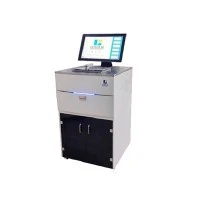
- Staining Method: The staining method used can also influence the staining temperature range. For example, manual staining methods may require different temperature settings than automated staining methods. Automated slide stainers, such as the Automated Slide Stainer, Automatic Slide Stainer, and Automated Stainer, are designed to provide precise temperature control and ensure consistent staining results.
Ideal Staining Temperature Range
The ideal staining temperature range can vary depending on the specific staining procedure and the type of stain being used. However, in general, the staining temperature range for most common staining procedures is between 20°C and 37°C. Here are some examples of the ideal staining temperature range for different staining techniques:
- Hematoxylin and Eosin (H&E) Staining: H&E staining is a commonly used staining technique in histology. The ideal staining temperature range for H&E staining is between 20°C and 25°C. At this temperature range, the stain penetrates the specimen evenly, resulting in clear and distinct staining of the nuclei and cytoplasm.
- Immunohistochemical Staining: Immunohistochemical staining is a technique used to detect specific proteins in biological specimens. The ideal staining temperature range for immunohistochemical staining is between 35°C and 37°C. At this temperature range, the antibodies bind to the target proteins more effectively, resulting in stronger and more specific staining.
- Fluorescent Staining: Fluorescent staining is a technique used to label specific molecules in biological specimens. The ideal staining temperature range for fluorescent staining is between 20°C and 25°C. At this temperature range, the fluorescent dyes bind to the target molecules more effectively, resulting in brighter and more intense fluorescence.
Temperature Control in Slide Stainers
To ensure consistent and accurate staining results, it is essential to have precise temperature control in slide stainers. Modern slide stainers, such as the Automated Slide Stainer, Automatic Slide Stainer, and Automated Stainer, are equipped with advanced temperature control systems that allow for precise temperature regulation.
These temperature control systems use sensors to monitor the temperature inside the staining chamber and adjust the heating or cooling elements as needed to maintain the desired temperature. Some slide stainers also offer the option to program specific temperature profiles for different staining procedures, allowing for greater flexibility and control.
Conclusion
In conclusion, the staining temperature range is a critical factor in achieving accurate and consistent staining results in biological specimens. The ideal staining temperature range can vary depending on the type of stain, the specimen type, and the staining method. By understanding the factors that influence the staining temperature range and using slide stainers with precise temperature control, laboratories can ensure optimal staining results and improve the quality of their research and diagnostic work.


If you are interested in learning more about our slide stainers or would like to discuss your specific staining needs, please feel free to contact us. Our team of experts is available to provide you with detailed information and assistance in selecting the right slide stainer for your laboratory.
References
- Bancroft, J. D., & Gamble, M. (2008). Theory and Practice of Histological Techniques. Churchill Livingstone.
- Kiernan, J. A. (2008). Histological and Histochemical Methods: Theory and Practice. Oxford University Press.
- Luna, L. G. (1968). Manual of Histologic Staining Methods of the Armed Forces Institute of Pathology. McGraw-Hill.