




Hey there! As a supplier of tissue processors, I often get asked about the role of the solvent recovery system in a tissue processor. So, I thought I'd take a few minutes to break it down for you in this blog post.
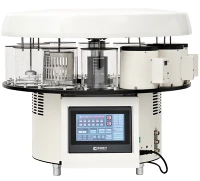
First off, let's talk about what a tissue processor is. A tissue processor is a machine used in histology labs to prepare tissue samples for microscopic examination. It goes through a series of steps, such as dehydration, clearing, and infiltration, to replace the water in the tissue with a medium that can be sectioned and stained.
Now, let's dive into the solvent recovery system. In a tissue processor, solvents play a crucial role in the different processing steps. For example, during dehydration, alcohol solvents are used to remove water from the tissue. But these solvents are not cheap, and they can also be harmful to the environment if not properly managed.
That's where the solvent recovery system comes in. Its main role is to recycle and reuse the solvents used in the tissue processing, which has several benefits.
Cost - Saving
One of the most obvious advantages is cost - saving. Solvents used in tissue processing can be quite expensive over time. By recovering and reusing them, labs can significantly reduce their operational costs. For example, if a lab uses a large volume of xylene or ethanol in their tissue processing, the solvent recovery system can collect these solvents after they've been used in the process, purify them, and then return them to the tissue processor for reuse. This means that the lab doesn't have to keep buying new solvents all the time, which can really add up in terms of savings.
Environmental Protection
Another important role of the solvent recovery system is environmental protection. Many of the solvents used in tissue processing are hazardous chemicals. If they are simply discarded after a single use, they can contaminate water sources and the air. The solvent recovery system helps to minimize the amount of these harmful chemicals released into the environment. By recycling the solvents, we can reduce our carbon footprint and contribute to a more sustainable laboratory practice.
Consistent Processing Quality
The solvent recovery system also helps to maintain consistent processing quality. Fresh solvents used in tissue processing have optimal properties for each step. Over time, as solvents are used, they can become contaminated or depleted in their effectiveness. A good solvent recovery system can purify the used solvents to a level where they can perform as well as fresh solvents. This ensures that every tissue sample processed in the tissue processor receives the same high - quality treatment, leading to more reliable and consistent histological results.
Let's take a look at some of the types of tissue processors we offer and how the solvent recovery system fits into them. You can check out our Tissue Processor Histology page to learn more about the general types of tissue processors used in histology.
Our Enclosed Tissue Processor is designed with a state - of - the - art solvent recovery system. The enclosed design not only helps to prevent solvent leakage but also improves the efficiency of the solvent recovery process. The system can trap the solvents that evaporate during the processing and then send them to the purification unit.
Then, we have the Kuohai Medical KH - TD Spin Tissue Processor (vacuum Option). This tissue processor uses a spinning mechanism and can be used with a vacuum option. The solvent recovery system in this model is integrated with the unique design. The vacuum helps to speed up the solvent removal process, and the recovery system can quickly collect and purify the extracted solvents.
In the solvent recovery process, there are generally several key steps. First, the used solvents are collected from the different processing chambers of the tissue processor. Then, they are sent to a filtration unit to remove any solid particles or debris. After that, the solvents go through a distillation process. Distillation is a method of separating the solvents based on their different boiling points. This helps to purify the solvents and remove any contaminants. Finally, the purified solvents are stored and ready to be reused in the tissue processor.
However, it's important to note that the solvent recovery system needs to be properly maintained. Regular cleaning and calibration of the system are essential to ensure its optimal performance. If the system is not well - maintained, it can lead to reduced solvent recovery efficiency, which in turn can affect the quality of tissue processing and increase costs.
As a tissue processor supplier, we understand the importance of a reliable solvent recovery system. That's why we've put a lot of effort into developing and optimizing the solvent recovery systems in our tissue processors. Our goal is to provide our customers with high - quality tissue processors that not only perform well in tissue processing but also help them save money and be more environmentally friendly.
If you're in the market for a tissue processor and want to know more about how our solvent recovery systems work, we'd love to hear from you. Whether you're running a small research lab or a large clinical histology department, our tissue processors with advanced solvent recovery systems can meet your needs. Contact us to start a purchase negotiation and find the perfect tissue processor for your lab.


References
- Bancroft, J. D., & Gamble, M. (2008). Theory and Practice of Histological Techniques. Churchill Livingstone.
- Stevens, A., & Lowe, J. (2015). Human Histology. Elsevier.