




Hey there! As a supplier of tissue processors, I often get asked about the maximum temperature these machines can reach. It's a pretty important question, especially for those in the histopathology field who rely on these devices to prepare tissue samples for examination.
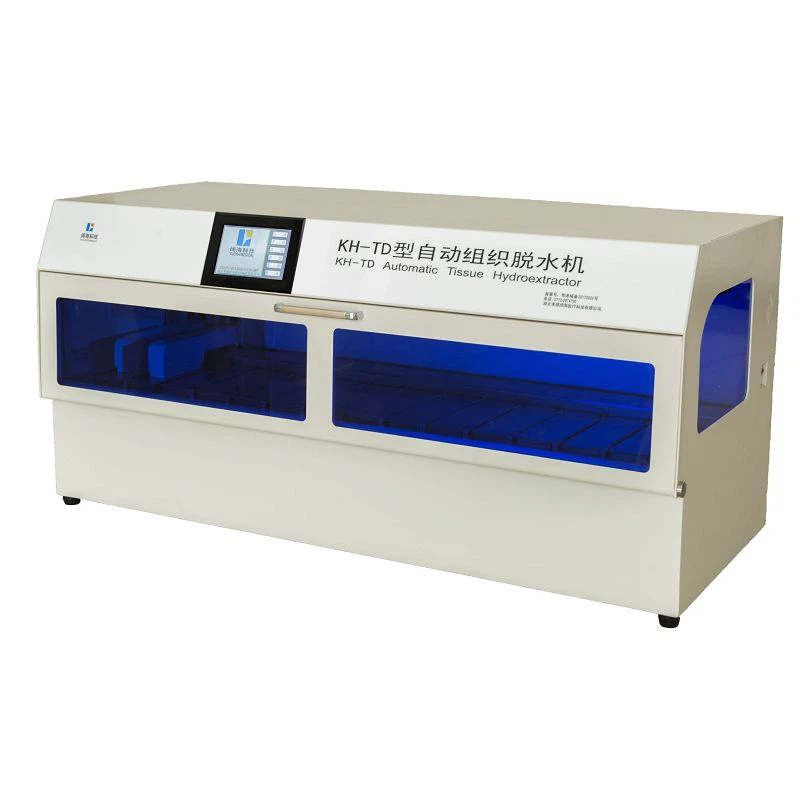
First off, let's quickly go over what a tissue processor does. In simple terms, a tissue processor is used to dehydrate, clear, and infiltrate tissue samples with paraffin wax. This process is crucial as it makes the tissue firm enough to be sliced into thin sections for microscopic analysis. There are different types of tissue processors out there, like the Enclosed Tissue Processor, which offers a more controlled environment, and the Automatic Tissue Processor in Histopathology, which can streamline the entire processing workflow.
Now, back to the main question: what's the maximum temperature a tissue processor can reach? Well, it varies depending on the model and its intended use. Most standard tissue processors typically have a maximum temperature range between 60°C to 70°C. This temperature range is carefully calibrated to ensure that the paraffin wax melts properly and infiltrates the tissue samples effectively without causing any damage to the delicate cellular structures.
At around 60°C to 70°C, the paraffin wax becomes fluid enough to penetrate the tissue. If the temperature is too low, the wax won't melt completely, and it won't be able to infiltrate the tissue evenly. On the other hand, if the temperature goes too high, it can cause the proteins in the tissue to denature, which means the cells will lose their natural structure and function. This can lead to inaccurate results during microscopic examination, which is a big no - no in histopathology.
However, there are some advanced tissue processors that can reach slightly higher temperatures, up to 80°C or even a bit more in some cases. These high - end models are usually designed for specific applications where a more intense paraffin infiltration is required. For example, when dealing with very dense or large tissue samples, a higher temperature might be needed to ensure that the wax can fully penetrate the tissue.
But here's the thing: just because a tissue processor can reach a higher temperature doesn't mean you should always crank it up to the max. You've got to consider the type of tissue you're working with. For instance, soft tissues like liver or spleen are more sensitive to heat and are best processed at the lower end of the temperature range. In contrast, tougher tissues like bone or cartilage might tolerate slightly higher temperatures better.
Another factor to consider is the duration of exposure to high temperatures. Even if the tissue can withstand a certain temperature, prolonged exposure can still cause damage. So, most tissue processors are equipped with timers and temperature controls to ensure that the tissue is processed at the right temperature for the right amount of time.
Let's talk a bit more about the importance of temperature control in tissue processing. In Tissue Processor in Histopathology, accurate temperature control is essential for getting high - quality results. If the temperature fluctuates too much during the processing, it can lead to inconsistent paraffin infiltration. This can result in tissue sections that are difficult to cut or that have artifacts, which can interfere with the pathologist's ability to make an accurate diagnosis.
Modern tissue processors come with advanced temperature sensors and control systems. These systems continuously monitor the temperature inside the processing chamber and make adjustments as needed to keep it within the desired range. This helps to ensure that every tissue sample is processed under the same optimal conditions, regardless of how long the processing cycle takes.
Now, if you're in the market for a tissue processor, it's important to choose one that offers precise temperature control and has a temperature range that suits your specific needs. You don't want to end up with a machine that can't reach the temperature you need for certain types of tissue samples, or one that can't maintain a stable temperature during the processing.
As a tissue processor supplier, I've seen firsthand how the right equipment can make a huge difference in the histopathology lab. A reliable tissue processor with accurate temperature control can save you time, reduce the risk of errors, and ultimately improve the quality of your diagnostic results.
If you're interested in learning more about our tissue processors or have any questions about temperature ranges and other features, don't hesitate to reach out. We're here to help you find the perfect tissue processor for your lab. Whether you're a small research facility or a large hospital pathology department, we've got options that can meet your requirements.
In conclusion, the maximum temperature a tissue processor can reach typically ranges from 60°C to 70°C for standard models, with some advanced ones going up to 80°C or more. But remember, it's not just about reaching the highest temperature; it's about having precise control over the temperature to ensure the best possible tissue processing results.

If you're ready to take your histopathology work to the next level, get in touch with us. We'll be happy to discuss your needs and show you how our tissue processors can make a difference in your lab.
References
- Principles of Histotechnology, 5th Edition
- Histopathology Laboratory Manual, 3rd Edition