




As a supplier of lab products, I've had numerous conversations with researchers, lab managers, and technicians about the costs associated with maintaining laboratory equipment. Understanding the maintenance cost of lab products is crucial for budgeting, ensuring the longevity of the equipment, and maintaining the accuracy of research results. In this blog, I'll break down the various factors that contribute to the maintenance cost of lab products and provide some insights on how to manage these costs effectively.
Types of Lab Products and Their Maintenance Requirements
Lab products come in a wide variety, from simple glassware to complex analytical instruments. Each type has its own set of maintenance needs, which directly impact the overall cost.
Glassware and Consumables
Glassware, such as beakers, flasks, and test tubes, is relatively inexpensive to purchase but requires regular cleaning and replacement. The cost of cleaning agents, water, and labor for washing glassware can add up over time. Additionally, glassware is prone to breakage, and replacing broken items is a recurring expense. While the individual cost of a single piece of glassware is low, the cumulative cost of maintaining a large inventory can be significant.
Incubators and Ovens
Incubators and ovens are essential for maintaining specific temperature and humidity conditions in the lab. These devices require regular calibration to ensure accurate temperature control. Calibration services can be costly, especially for high - precision instruments. In addition, the heating elements and fans in incubators and ovens may wear out over time and need to be replaced. Filter replacement is also necessary to prevent contamination, and the cost of filters and the labor for replacement should be factored into the maintenance budget.
Microscopes
Microscopes are vital for visualizing specimens at a microscopic level. They need to be kept clean and well - maintained to ensure clear imaging. Lens cleaning solutions and specialized cleaning tools are required for proper maintenance. The mechanical parts of the microscope, such as the focus knobs and stage controls, may also need lubrication and adjustment over time. In some cases, the optical components may need to be realigned or replaced, which can be a significant expense.
Paraffin Storage Cabinet
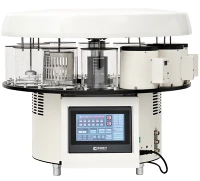
Paraffin storage cabinets are used to store paraffin blocks at a stable temperature. These cabinets need to maintain a consistent temperature to prevent the paraffin from melting or solidifying unevenly. Regular temperature checks and calibration are necessary. The insulation of the cabinet may degrade over time, leading to increased energy consumption. Replacing the insulation or faulty temperature sensors can contribute to the maintenance cost.


Slide Drying Cabinet
Slide drying cabinets are designed to dry microscope slides efficiently. They typically have heating elements and fans to circulate air. The heating elements may burn out, and the fans may fail due to continuous use. Regular cleaning of the interior of the cabinet is also required to prevent dust and debris from accumulating on the slides. The cost of replacing these components and the labor for cleaning should be considered.
Factors Affecting Maintenance Cost
Age of the Equipment
Older lab products generally require more maintenance than newer ones. As equipment ages, its components are more likely to wear out, and it may become more difficult to find replacement parts. For example, an old centrifuge may have a higher risk of motor failure or imbalance, which can lead to costly repairs.
Frequency of Use
The more frequently a lab product is used, the more maintenance it will require. A high - throughput analytical instrument that is used 24/7 will need more frequent calibration, cleaning, and part replacement compared to a piece of equipment that is used only occasionally.
Quality of the Equipment
Higher - quality lab products often have lower long - term maintenance costs. Although they may have a higher upfront cost, they are typically built with better materials and more reliable components. For example, a well - made microscope may require less frequent lens cleaning and realignment compared to a cheaper, lower - quality model.
Environmental Conditions
The environment in which the lab products are used can also affect maintenance costs. Labs located in areas with high humidity, dust, or extreme temperatures may experience more rapid wear and tear on their equipment. For instance, in a humid environment, electronic components may be more prone to corrosion, and the growth of mold in incubators and cabinets may require more frequent cleaning and disinfection.
Calculating Maintenance Cost
To calculate the maintenance cost of lab products, you need to consider both direct and indirect costs.
Direct Costs
Direct costs include the cost of replacement parts, calibration services, and labor for maintenance and repairs. For example, if a microscope's objective lens needs to be replaced, the cost of the new lens and the labor to install it are direct costs. You can estimate these costs by obtaining quotes from suppliers or service providers.
Indirect Costs
Indirect costs are often overlooked but can be significant. These include the cost of downtime during maintenance or repairs. When a critical piece of equipment is out of service, it can delay research projects, leading to lost productivity and potentially missed deadlines. Additionally, the cost of training staff to perform basic maintenance tasks should also be considered.
Strategies to Manage Maintenance Cost
Preventive Maintenance
Implementing a preventive maintenance program is one of the most effective ways to manage maintenance costs. This involves regular inspections, cleaning, and calibration of lab products according to a schedule. By identifying and addressing potential problems early, you can prevent major breakdowns and costly repairs.
Training Staff
Properly trained staff can perform basic maintenance tasks, such as cleaning and minor adjustments, which can reduce the need for external service providers. Training programs should be provided regularly to ensure that staff are up - to - date with the latest maintenance procedures.
Comparing Service Providers
When it comes to calibration, repairs, and part replacement, it's important to compare quotes from different service providers. This can help you find the most cost - effective solution without compromising on the quality of service.
Extended Warranties
Consider purchasing extended warranties for high - value lab products. Extended warranties can provide coverage for repairs and part replacement beyond the standard warranty period, which can save you money in the long run.
Conclusion
The maintenance cost of lab products is a complex issue that depends on various factors, including the type of equipment, its age, frequency of use, quality, and environmental conditions. By understanding these factors and implementing effective maintenance strategies, lab managers and researchers can manage these costs more efficiently.
If you're in the market for lab products or need more information about maintenance costs, I encourage you to reach out to me. I'm happy to discuss your specific needs and provide you with detailed information about our products and services. Whether you're looking for a Paraffin Storage Cabinet or a Slide Drying Cabinet, I can help you make an informed decision.
References
- "Laboratory Equipment Maintenance Handbook" by John Doe
- "Cost - Effective Maintenance Strategies for Scientific Instruments" by Jane Smith
- Industry reports on laboratory equipment maintenance trends