


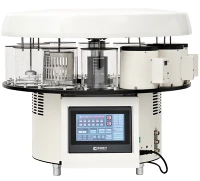


As a supplier of Grossing Stations, I've had numerous conversations with clients regarding the long - term costs associated with these essential pieces of equipment in the medical and research fields. In this blog, I'll delve into the various factors that contribute to the maintenance cost of a Grossing Station over its lifespan.
Initial Investment and Depreciation
The first aspect to consider is the initial purchase price of the Grossing Station. The cost can vary significantly depending on the features, size, and brand. For instance, a basic Pathology Grossing Station might be more affordable, while a high - end model with advanced functions such as integrated imaging systems or automated tissue processing capabilities can be considerably more expensive.
Depreciation is an important factor in calculating the long - term cost. Grossing Stations typically have a useful life of around 10 - 15 years, depending on usage and maintenance. As the station ages, its value decreases, and this depreciation cost is spread over its lifespan. For accounting purposes, this is often calculated using straight - line depreciation, where the initial cost minus the salvage value is divided by the number of years of useful life.
Routine Maintenance
Routine maintenance is a crucial part of keeping a Grossing Station in optimal working condition. This includes regular cleaning, calibration, and inspection of components.
Cleaning
Grossing Stations are used for handling biological specimens, so proper cleaning is essential to prevent the growth of bacteria and cross - contamination. The frequency of cleaning depends on the volume of specimens processed. In high - volume laboratories, daily cleaning may be required. Cleaning agents and disinfectants need to be carefully selected to avoid damaging the station's surfaces. Specialized cleaning products designed for medical equipment can be relatively expensive, and the cost accumulates over time.
Calibration
To ensure accurate results, the measuring and weighing components of the Grossing Station need to be calibrated regularly. Calibration should be performed by trained technicians, either in - house or by the manufacturer's service team. The cost of calibration includes the technician's labor and any necessary calibration equipment. For example, if the station has a digital scale, it may need to be calibrated at least once a year to maintain accuracy.
Inspection
Regular inspections help identify potential problems before they become major issues. Components such as water lines, drains, and electrical connections should be inspected for leaks, blockages, or signs of wear. Inspection costs involve the time of the technician and any replacement parts that may be needed during the inspection.
Replacement Parts
Over the lifespan of a Grossing Station, certain parts will need to be replaced due to wear and tear. Common replacement parts include cutting blades, seals, gaskets, and electrical components.
The cost of replacement parts can vary widely. For example, a simple gasket may cost only a few dollars, while a complex electrical control board can cost several hundred dollars. The frequency of part replacement depends on the quality of the original parts and the intensity of use. High - quality parts may be more expensive initially but can reduce the overall cost of replacement over the long term.
Repair Costs
Despite routine maintenance, unforeseen breakdowns can occur. Repair costs can be significant, especially if major components such as the motor, pump, or control system fail.
When a repair is needed, it's important to have access to qualified technicians. In some cases, the manufacturer may offer an extended warranty or service contract that covers repair costs. However, if the station is out of warranty, the cost of repairs can be substantial. Labor costs for technicians can be high, especially if they need to travel long distances to the site.
Energy Consumption
Grossing Stations consume energy, mainly in the form of electricity for lighting, motors, and heating or cooling systems. The energy consumption depends on the size and features of the station. For example, a larger station with a built - in refrigeration unit will consume more energy than a basic model.
To estimate the energy cost over the lifespan of the station, you need to consider the power rating of the equipment and the average number of hours it is used per day. Energy prices can vary by region, so it's important to factor in local electricity rates. Over a 10 - 15 - year lifespan, energy costs can add up to a significant amount.
Training Costs
Proper training of operators is essential to ensure the safe and efficient use of the Grossing Station. Training can cover topics such as equipment operation, cleaning procedures, and safety protocols.
Training can be provided by the manufacturer, either on - site or at a training facility. The cost of training includes the trainer's fees, travel expenses (if applicable), and any training materials. In addition, ongoing training may be required to keep operators up - to - date with new features or safety regulations.
Regulatory Compliance
Grossing Stations are subject to various regulations and standards, especially in the medical and research fields. Compliance with these regulations may require additional equipment or modifications to the station.
For example, some regions may require Grossing Stations to have specific ventilation systems to prevent the release of harmful fumes. Upgrading the ventilation system can be a significant expense. In addition, regular inspections by regulatory authorities may be required, and non - compliance can result in fines or penalties.
Comparison with Other Similar Equipment
It's also useful to compare the maintenance cost of a Grossing Station with other similar equipment in the laboratory. For example, an Adjustable Height Pedestal Autopsy Table may have different maintenance requirements and costs. While both are used in the handling of biological specimens, the autopsy table may require more heavy - duty maintenance due to its larger size and the nature of the procedures performed on it.
Similarly, a Grossing Station for Histopathology may have unique features and maintenance needs compared to a general - purpose Grossing Station. Understanding these differences can help in making an informed decision when purchasing equipment and budgeting for maintenance.
Conclusion
In conclusion, the maintenance cost of a Grossing Station over its lifespan is a complex calculation that involves multiple factors. From the initial investment and depreciation to routine maintenance, replacement parts, repair costs, energy consumption, training, and regulatory compliance, each aspect contributes to the overall cost.
As a supplier, we understand the importance of providing high - quality equipment at a reasonable price and offering comprehensive after - sales support. If you're in the market for a Grossing Station or need more information about maintenance costs, we're here to help. Contact us to discuss your specific requirements and start a conversation about how we can meet your needs. Our team of experts can provide detailed cost estimates and advice on how to minimize maintenance expenses over the long term.


References
- Manufacturer's manuals for Grossing Stations
- Industry reports on medical equipment maintenance costs
- Regulatory guidelines for medical equipment in the relevant regions