


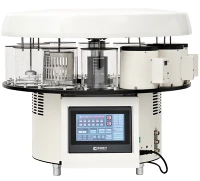



Finding the best deals on lab products is a crucial aspect for both researchers and laboratory managers. As a lab products supplier, I understand the challenges that customers face in this process. In this blog, I will share some valuable tips and strategies on how to find the best deals on lab products, based on my years of experience in the industry.
1. Research and Compare Different Suppliers
The first step in finding the best deals on lab products is to conduct thorough research and compare different suppliers. There are numerous suppliers in the market, each offering a wide range of products at varying prices. Start by making a list of potential suppliers that offer the lab products you need. You can do this by searching online, asking for recommendations from colleagues, or attending industry trade shows.
Once you have a list of suppliers, visit their websites to compare their product offerings, prices, and customer reviews. Look for suppliers that have a good reputation for quality and reliability. Pay attention to details such as shipping costs, return policies, and warranty information. Some suppliers may offer discounts or promotions on certain products, so be sure to check for these as well.
For example, if you are looking for a Specimen Freezer, compare the features and prices of different models from various suppliers. Consider factors such as temperature range, capacity, energy efficiency, and brand reputation. By doing your research, you can identify the supplier that offers the best value for your money.
2. Sign Up for Newsletters and Alerts
Many lab product suppliers offer newsletters and alerts to keep their customers informed about new products, promotions, and discounts. Signing up for these newsletters can be a great way to stay updated on the latest deals and offers. Some suppliers may even offer exclusive discounts to their newsletter subscribers.
In addition to newsletters, you can also follow suppliers on social media platforms such as Facebook, Twitter, and LinkedIn. Suppliers often post about special promotions and discounts on their social media pages. By following them, you can be among the first to know about these deals and take advantage of them.
3. Take Advantage of Bulk Purchasing
If you have a large order or regularly purchase lab products, consider taking advantage of bulk purchasing. Many suppliers offer discounts for bulk orders. By buying in bulk, you can save money on each unit and reduce your overall costs.
Before placing a bulk order, make sure you have a clear understanding of your needs and usage patterns. You don't want to end up with excess inventory that will go to waste. Additionally, check the supplier's storage and handling requirements for the products you are purchasing. Some products may require special storage conditions, and you need to ensure that you can meet these requirements.
For instance, if you frequently use Slide Cabinets in your laboratory, buying them in bulk can result in significant savings. However, make sure you have enough space to store them properly.
4. Look for Seasonal and Holiday Sales
Like many other industries, the lab products market also has seasonal and holiday sales. Suppliers often offer discounts and promotions during these times to attract customers. Keep an eye out for sales during major holidays such as Christmas, Thanksgiving, and New Year's. Additionally, some suppliers may have seasonal sales, such as end-of-year clearance sales or back-to-school sales.
To stay informed about these sales, check the supplier's website regularly or sign up for their email alerts. You can also set up price alerts on price comparison websites to be notified when the price of a particular product drops.
5. Negotiate with Suppliers
Don't be afraid to negotiate with suppliers. Many suppliers are willing to negotiate on price, especially if you are a long - term customer or placing a large order. Before starting the negotiation, do your research on the market price of the product. This will give you a better idea of what a reasonable price is.
When negotiating, be polite and professional. Explain your needs and requirements clearly and emphasize the value of your business. You can also mention any competing offers you have received. In some cases, the supplier may be willing to offer additional discounts, free shipping, or other incentives to win your business.
6. Consider Refurbished or Used Products
If you are on a tight budget, consider purchasing refurbished or used lab products. Refurbished products are typically pre - owned products that have been restored to like - new condition. They often come with a warranty and can be a cost - effective alternative to new products.
Used products can also be a good option, especially for less critical equipment. However, when buying used products, make sure to inspect them thoroughly or ask for a detailed inspection report. Check the product's history, including its age, usage, and any previous repairs.
For example, a Slide Drying Cabinet that is refurbished may offer the same functionality as a new one at a lower price. Just make sure to purchase from a reputable seller.
7. Join Buying Groups or Consortia
Buying groups or consortia are organizations that bring together multiple buyers to negotiate better deals with suppliers. By joining a buying group, you can leverage the collective purchasing power of the group to get lower prices and better terms.
Many industries have established buying groups, and there may be one specifically for lab products. Research and find out if there are any buying groups in your area or within your industry. Joining a buying group may require a membership fee, but the savings you can achieve can often outweigh the cost.
8. Evaluate Total Cost of Ownership
When looking for the best deals on lab products, it's important to consider the total cost of ownership, not just the initial purchase price. The total cost of ownership includes factors such as maintenance costs, energy consumption, and replacement parts.
For example, a cheaper piece of equipment may have higher energy consumption, which can result in higher long - term costs. Similarly, a product that requires frequent maintenance or has expensive replacement parts may end up being more costly in the long run.
Before making a purchase, calculate the total cost of ownership for each product you are considering. This will help you make a more informed decision and choose the product that offers the best value over its lifetime.


Conclusion
Finding the best deals on lab products requires a combination of research, negotiation, and strategic thinking. By following the tips and strategies outlined in this blog, you can save money on your lab product purchases without sacrificing quality. As a lab products supplier, I am committed to providing high - quality products at competitive prices. If you are interested in purchasing lab products or have any questions, please feel free to contact me for further discussion and procurement negotiation.
References
- Industry reports on lab product pricing trends.
- Personal experience as a lab products supplier.