


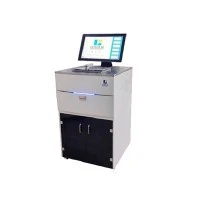

A darkroom is a specialized environment used for developing photographic films and prints. It requires strict control over light, temperature, and humidity to ensure the quality of the photographic materials. As a slide cabinet supplier, I often receive inquiries about whether a slide cabinet can be used in a darkroom. In this blog post, I will explore this question in detail and provide some insights based on my experience in the industry.
Understanding the Function of a Slide Cabinet
A slide cabinet is designed to store photographic slides safely and efficiently. It typically consists of multiple compartments or trays that can hold slides in an organized manner. Slide cabinets are available in various sizes and configurations to accommodate different quantities of slides. They are usually made of materials such as plastic, metal, or wood, and may have features like locking mechanisms, dividers, and labels to facilitate easy access and identification of slides.
The primary function of a slide cabinet is to protect slides from physical damage, dust, and light. Slides are sensitive to light, especially ultraviolet (UV) light, which can cause fading and discoloration over time. A slide cabinet provides a dark and enclosed space that shields slides from light exposure, helping to preserve their color and clarity. Additionally, slide cabinets can help prevent scratches, fingerprints, and other forms of physical damage that can occur when slides are stored haphazardly.
Requirements of a Darkroom
Before determining whether a slide cabinet can be used in a darkroom, it is important to understand the specific requirements of a darkroom environment. A darkroom must be completely light-tight to prevent any light from entering and exposing the photographic materials. This means that all windows, doors, and other openings must be sealed properly, and any light leaks must be eliminated.
In addition to light control, a darkroom also requires precise temperature and humidity control. The ideal temperature for a darkroom is typically between 65°F and 75°F (18°C and 24°C), and the relative humidity should be maintained between 40% and 60%. These conditions help ensure the proper development of photographic materials and prevent issues such as mold growth, film curling, and chemical reactions.
Compatibility of Slide Cabinets with Darkrooms
Based on the requirements of a darkroom, a slide cabinet can be used in a darkroom as long as it meets certain criteria. First and foremost, the slide cabinet must be light-tight. This means that it should not allow any light to penetrate its interior, even when it is closed. A light-tight slide cabinet will help protect the slides from light exposure and ensure their long-term preservation.
In addition to being light-tight, the slide cabinet should also be made of materials that are compatible with the darkroom environment. For example, the cabinet should not release any harmful chemicals or fumes that could contaminate the photographic materials or affect the quality of the development process. Some slide cabinets are made of plastic materials that may emit volatile organic compounds (VOCs) over time, which can be harmful to both the photographic materials and the health of the darkroom users. Therefore, it is important to choose a slide cabinet that is made of high-quality, non-toxic materials.
Another important consideration is the size and configuration of the slide cabinet. The cabinet should be large enough to accommodate the desired number of slides, but not so large that it takes up too much space in the darkroom. Additionally, the cabinet should be easy to access and organize, with compartments or trays that are clearly labeled and easy to open and close.
Benefits of Using a Slide Cabinet in a Darkroom
Using a slide cabinet in a darkroom offers several benefits. First, it provides a convenient and organized way to store slides. Instead of keeping slides in loose piles or envelopes, a slide cabinet allows you to store them in a structured manner, making it easier to find and retrieve specific slides when needed.
Second, a slide cabinet helps protect slides from physical damage and light exposure. By keeping slides in a dark and enclosed space, the cabinet reduces the risk of scratches, fingerprints, and fading caused by light. This helps ensure the long-term preservation of the slides and maintains their quality over time.
Third, a slide cabinet can help improve the efficiency of the darkroom workflow. With slides stored in an organized manner, it is easier to keep track of the inventory and ensure that all necessary slides are available when needed. This can save time and reduce the likelihood of errors during the development process.
Other Considerations
When using a slide cabinet in a darkroom, there are a few other considerations to keep in mind. First, it is important to clean the slide cabinet regularly to prevent the accumulation of dust and debris. Dust can scratch the slides and affect their image quality, so it is recommended to use a soft, lint-free cloth to wipe down the interior and exterior of the cabinet on a regular basis.


Second, it is important to handle the slides carefully when removing them from or inserting them into the slide cabinet. Slides are delicate and can be easily damaged if they are bent, folded, or scratched. Therefore, it is recommended to use clean hands or gloves when handling slides and to avoid touching the surface of the slides directly.
Finally, it is important to choose the right type of slide cabinet for your specific needs. There are many different types of slide cabinets available on the market, each with its own features and benefits. Some slide cabinets are designed for small collections of slides, while others are suitable for large archives. Some slide cabinets are made of plastic, while others are made of metal or wood. Therefore, it is important to do your research and choose a slide cabinet that meets your specific requirements and budget.
Conclusion
In conclusion, a slide cabinet can be used in a darkroom as long as it meets the specific requirements of the darkroom environment. A light-tight, high-quality slide cabinet can provide a convenient and organized way to store slides, protect them from physical damage and light exposure, and improve the efficiency of the darkroom workflow. If you are in the market for a slide cabinet for your darkroom, I encourage you to explore our selection of Slide Cabinet. We offer a wide range of slide cabinets in different sizes, configurations, and materials to meet your specific needs.
In addition to slide cabinets, we also offer other types of storage solutions for the laboratory, such as Paraffin Storage Cabinet and Slide Drying Cabinet. These products are designed to provide safe and efficient storage for a variety of laboratory materials, including paraffin blocks, slides, and other specimens.
If you have any questions or would like to learn more about our products, please do not hesitate to contact us. Our team of experts is always available to assist you with your procurement needs and to provide you with the information and support you need to make an informed decision. We look forward to hearing from you and helping you find the right storage solutions for your laboratory.
References
- "Darkroom Basics: Creating a Light-Tight Environment." Photography Life, https://photographylife.com/darkroom-basics-creating-a-light-tight-environment.
- "How to Store Photographic Slides." The Spruce Crafts, https://www.thesprucecrafts.com/how-to-store-photographic-slides-2540400.
- "Choosing the Right Slide Cabinet." Photo Storage Solutions, https://www.photostoragesolutions.com/choosing-the-right-slide-cabinet/.