




Can a Grossing Table be used in a veterinary laboratory?
In the ever - evolving field of veterinary medicine, the right equipment is crucial for accurate diagnoses and efficient workflow. One piece of equipment that often comes into question is the grossing table. As a supplier of grossing tables, I'm here to explore whether a grossing table can and should be used in a veterinary laboratory.


Understanding the Role of a Grossing Table
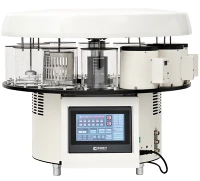
A grossing table, also known as a Grossing Station for Histopathology, is a specialized workstation designed for the dissection and examination of tissue specimens in a laboratory setting. In human medicine, it is a standard fixture in pathology departments. The primary function of a grossing table is to provide a clean, organized, and well - equipped space for pathologists and technicians to handle tissue samples. It typically features a work surface with built - in sinks, faucets, and drainage systems to facilitate the cleaning and handling of specimens. Additionally, it may have storage compartments for tools, specimen containers, and other supplies.
The Need for Grossing in Veterinary Laboratories
Veterinary laboratories face similar challenges to their human counterparts when it comes to tissue examination. Whether it's diagnosing diseases in pets, livestock, or wildlife, accurate tissue analysis is essential. Grossing is the first step in the histological examination process. It involves visually inspecting the tissue, measuring it, and taking representative samples for further processing. This initial assessment can provide valuable information about the nature and extent of a disease, which is crucial for formulating a treatment plan or understanding the cause of death.
For example, in cases of suspected cancer in an animal, a gross examination of the tumor tissue can help determine its size, location, and whether it has invaded surrounding tissues. This information can guide the decision - making process regarding surgical removal, chemotherapy, or radiation therapy. In the case of infectious diseases, a gross examination can reveal the presence of characteristic lesions or changes in the organs, which can help in the preliminary identification of the pathogen.
Adapting Grossing Tables for Veterinary Use
While the basic principles of grossing are the same in veterinary and human medicine, there are some differences that need to be considered when using a grossing table in a veterinary laboratory.
- Size and Variety of Specimens: Veterinary specimens can vary greatly in size, from the tiny tissues of a mouse to the large organs of a horse or cow. A grossing table used in a veterinary laboratory should have a large enough work surface to accommodate these different sizes. It may also need to be equipped with different types of tools, such as larger scalpels and forceps for handling larger specimens.
- Species - Specific Considerations: Different animal species have unique anatomical features and disease patterns. For example, birds have air sacs, and marine mammals have specialized blubber. A veterinarian using a grossing table needs to be aware of these differences and may require additional training or reference materials to accurately interpret the gross findings.
- Contamination and Safety: Veterinary specimens may carry zoonotic diseases, which are diseases that can be transmitted from animals to humans. A grossing table in a veterinary laboratory must be designed to minimize the risk of contamination. This includes having proper ventilation systems to prevent the inhalation of aerosols, as well as easy - to - clean surfaces that can be disinfected regularly.
Benefits of Using a Grossing Table in a Veterinary Laboratory
Investing in a Pathology Grossing Station for a veterinary laboratory can bring several benefits.
- Efficiency: A dedicated grossing table provides a centralized and organized workspace. This can significantly reduce the time spent searching for tools and supplies, leading to a more efficient workflow. Technicians can quickly access everything they need within arm's reach, which is especially important when dealing with a large number of specimens.
- Accuracy: The design of a grossing table, with its proper lighting and magnification options, allows for a more detailed and accurate examination of specimens. This can improve the quality of the initial gross assessment, which in turn can lead to more accurate diagnoses.
- Standardization: Having a standardized grossing process using a dedicated table can ensure consistency in the handling and examination of specimens. This is important for quality control purposes, as well as for comparing results over time or between different laboratories.
Considerations When Choosing a Grossing Table for a Veterinary Laboratory
When selecting a grossing table for a veterinary laboratory, several factors should be taken into account.
- Budget: Grossing tables can vary widely in price depending on their features and quality. It's important to find a balance between the cost and the functionality of the table. Consider the long - term benefits and potential cost savings in terms of increased efficiency and accuracy.
- Customization: Some veterinary laboratories may have specific requirements based on the types of animals they treat or the types of diseases they encounter. Look for a grossing table that can be customized with additional features, such as adjustable work surfaces, specialized storage compartments, or integrated imaging systems.
- Durability and Maintenance: A veterinary laboratory is a busy environment, and the grossing table will be used frequently. Choose a table that is made of high - quality materials and is easy to clean and maintain. This will ensure that the table has a long lifespan and can withstand the rigors of daily use.
Conclusion
In conclusion, a grossing table can be a valuable asset in a veterinary laboratory. It provides a dedicated and efficient workspace for the initial examination of tissue specimens, which is essential for accurate diagnoses. While there are some differences between veterinary and human grossing, with proper adaptation and consideration of the unique needs of veterinary medicine, a grossing table can be successfully integrated into a veterinary laboratory.
If you're a veterinary laboratory looking to enhance your diagnostic capabilities and improve workflow, consider investing in a Grossing Station for Histology. Our company offers a wide range of high - quality grossing tables that can be customized to meet your specific needs. For more information or to discuss your procurement requirements, feel free to reach out. We're here to help you make the best choice for your laboratory.
References
- "Textbook of Veterinary Histology" by Jubb, Kennedy, and Palmer.
- "Pathology of Domestic Animals" edited by Maxie.
- Industry standards and guidelines for veterinary laboratory equipment.