




Are there different types of Autopsy Tables?
In the field of forensic medicine and pathology, autopsy tables play a crucial role in conducting thorough examinations of deceased bodies. As a supplier of autopsy tables, I have witnessed firsthand the diverse needs and requirements of different institutions and professionals. This has led to the development of various types of autopsy tables, each designed to meet specific functions and preferences.
Standard Autopsy Tables
The most common type is the standard autopsy table. These tables are typically made of high - quality stainless steel, which is resistant to corrosion and easy to clean. They are designed with a flat, smooth surface that allows for easy movement of the body during the autopsy process. Standard autopsy tables usually have a drainage system to collect fluids and waste generated during the examination. This drainage system is often connected to a waste disposal unit to ensure proper hygiene and prevent the spread of contaminants.
The height of standard autopsy tables is adjustable, which is essential for the comfort of the pathologists and technicians performing the autopsies. An adjustable height allows them to work at a suitable level, reducing the risk of back pain and other musculoskeletal disorders associated with long - term standing and bending. Some standard autopsy tables also come with built - in lighting systems. These lights can be adjusted in terms of intensity and direction, providing optimal illumination of the body during the examination. This is particularly important for detecting small details and injuries that might otherwise be missed in poor lighting conditions.
Mobile Autopsy Tables
Mobile autopsy tables are another type that has gained popularity in recent years. These tables are equipped with wheels, which makes them easy to move around the autopsy room or even between different rooms in a medical facility. Mobile autopsy tables are ideal for situations where flexibility is required, such as when conducting autopsies in different locations within a large hospital or when transporting the table to a crime scene for on - site examinations.
Despite their mobility, mobile autopsy tables still maintain the same high - quality features as standard tables. They are made of durable materials and have proper drainage and lighting systems. Some mobile autopsy tables also have additional features like locking mechanisms for the wheels, ensuring that the table remains stable during the autopsy. This type of table is also useful for emergency situations where quick setup and relocation might be necessary.
Specialized Autopsy Tables
There are also specialized autopsy tables designed for specific purposes. For example, some tables are designed for pediatric autopsies. These tables are smaller in size and have a more delicate design to accommodate the smaller bodies of children. They may also have additional padding and support to ensure the proper handling of the delicate pediatric specimens.
Autopsy tables for forensic investigations often come with advanced features. These can include fingerprint - resistant surfaces to prevent contamination of evidence, and built - in cameras for documenting the autopsy process. The cameras can record high - resolution images and videos, which can be used as evidence in legal proceedings. Some forensic autopsy tables also have integrated weighing systems, allowing for accurate measurement of organs and body parts, which can be important in determining cause of death and other forensic details.
Comparison with Related Equipment
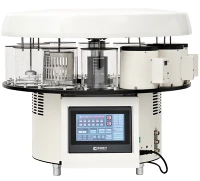
When considering autopsy tables, it's also important to look at related equipment in the field. For instance, Grossing Station for Histopathology is used for the initial processing of tissue samples for histological examination. While an autopsy table is mainly for the overall examination of the body, a grossing station focuses on the dissection and preparation of tissue specimens. Similarly, Histology Grossing Station is specifically designed for the detailed work of preparing tissue samples for microscopic analysis.
Another related piece of equipment is the Multi - Height Embalming Table. Although an embalming table is used for preserving the body through the injection of embalming fluids, it shares some similarities with autopsy tables. Both types of tables need to be made of durable materials, have proper drainage systems, and be adjustable in height for the comfort of the operators. However, an embalming table is more focused on the preservation process, while an autopsy table is centered around the examination and discovery of the cause of death.
Factors to Consider When Choosing an Autopsy Table
When institutions or professionals are in the market for an autopsy table, several factors need to be considered. Firstly, the budget is an important consideration. Different types of autopsy tables come with different price tags, and it's essential to find a table that offers the necessary features within the available budget.
The size of the autopsy room also matters. A large, stationary table might not be suitable for a small room, while a mobile table could be a better option. The frequency of use is another factor. If autopsies are performed frequently, a high - quality, durable table is required to withstand the wear and tear.
The features of the table, such as lighting, drainage, and adjustability, should also be carefully evaluated based on the specific needs of the institution. For example, a forensic laboratory might require a table with advanced imaging and evidence - preservation features, while a general hospital autopsy department might focus more on basic functionality and ease of cleaning.
Conclusion
In conclusion, there are indeed different types of autopsy tables, each with its own unique features and functions. Whether it's a standard table for routine autopsies, a mobile table for flexibility, or a specialized table for specific purposes, the choice of an autopsy table depends on the specific requirements of the institution or professional. As a supplier of autopsy tables, I am committed to providing high - quality products that meet the diverse needs of the market.


If you are in the market for an autopsy table or have any questions about our products, I encourage you to reach out to us for a detailed discussion. We can help you choose the most suitable autopsy table based on your specific needs and budget. Our team of experts is ready to assist you in making an informed decision.
References:
- "Forensic Pathology: Principles and Practice" by James L. Byard
- "Textbook of Autopsy Practice" by John Burton and David A. Warrell