


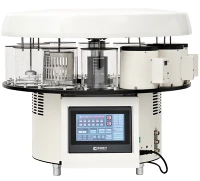



Hey there! As a supplier of specimen cabinets, I often get asked if there are any regulations for using these cabinets. Well, the answer is a bit of a mixed bag, and it really depends on a few different factors. Let's dive in and take a closer look.
First off, it's important to understand that specimen cabinets come in various types, each designed for specific purposes. For example, we have the Paraffin Block Cabinet, which is specifically made for storing paraffin - embedded tissue blocks. Then there's the Slide Cabinet and the Slide Storage Cabinet, which are used for keeping microscope slides safe and organized.
General Regulations
When it comes to general regulations, there are some common - sense rules that apply across the board. One of the most important things is maintaining a clean and dust - free environment for the specimens. Dust can contaminate specimens over time and make them unusable for research or diagnostic purposes. So, regular cleaning of the cabinet interior is a must. You should wipe down the shelves and the interior walls at least once a month using a mild disinfectant.
Another key regulation is temperature and humidity control. Different specimens have different requirements. For instance, paraffin blocks need to be stored at a relatively stable temperature, usually between 4 - 8 degrees Celsius. If the temperature fluctuates too much, the paraffin can expand or contract, which might damage the tissue inside. Slide specimens, on the other hand, are often best stored at room temperature, around 20 - 25 degrees Celsius, with a humidity level of about 30 - 50%. High humidity can cause mold to grow on the slides, while low humidity might lead to the drying out of any mounting media.
Safety Regulations
Safety is a huge concern when it comes to using specimen cabinets. Many specimens, especially those from medical or biological research, can be potentially hazardous. For example, they might contain infectious agents or toxic substances. So, cabinets should be locked at all times to prevent unauthorized access. Only trained personnel should be allowed to handle the specimens and operate the cabinets.
In addition, the cabinets should be installed in a well - ventilated area. This is crucial because some specimens might release fumes, especially if they've been treated with certain chemicals. Good ventilation helps to keep the air quality in the room safe and reduces the risk of inhalation of harmful substances.
Regulatory Bodies
In different countries and regions, there are specific regulatory bodies that oversee the use of specimen cabinets. In the United States, the Centers for Disease Control and Prevention (CDC) and the Food and Drug Administration (FDA) have guidelines regarding the storage and handling of specimens. These guidelines cover everything from how to label specimens correctly to the proper disposal of old or damaged specimens.
In Europe, the European Union has its own set of regulations through bodies like the European Medicines Agency (EMA). These regulations ensure that specimens are stored in a way that maintains their integrity and safety, especially when they're used in clinical trials or for the production of medical products.
Documentation and Record - Keeping
Proper documentation is also a significant part of using specimen cabinets. You need to keep records of what's stored in the cabinet, including details such as the type of specimen, its source, the date of storage, and any relevant handling instructions. This helps in maintaining traceability, especially if there are any issues with the specimens later on.
For example, if you're using the Paraffin Block Cabinet to store paraffin - embedded tissue samples for a research project, you should document which samples came from which patients, what type of tissue they are (e.g., liver, lung), and when they were placed in the cabinet. This information can be crucial for researchers to accurately analyze the data and draw valid conclusions.
Maintenance and Calibration
Regular maintenance of the specimen cabinets is essential to ensure they function properly. This includes checking the seals on the cabinet doors to make sure they're airtight. A loose seal can allow dust or outside air to enter the cabinet, which can affect the specimens. You should also check the temperature and humidity sensors regularly to ensure they're providing accurate readings.
Calibration of the temperature and humidity controls is also necessary. This should be done at least once a year by a qualified technician. If the controls are not calibrated correctly, the cabinet might not maintain the right environmental conditions for the specimens.
Training for Users
All users of the specimen cabinets should receive proper training. They need to understand the regulations, how to operate the cabinets safely, and how to handle the specimens correctly. This training should be updated regularly, especially when there are changes in the regulations or new types of specimens are being stored.


For instance, if your lab starts using a new type of Slide Storage Cabinet with advanced features, the users should be trained on how to use these features effectively to ensure the best storage conditions for the slides.
Conclusion
So, to answer the question, yes, there are definitely regulations for using a specimen cabinet. These regulations cover aspects like environmental control, safety, documentation, maintenance, and user training. By following these regulations, you can ensure the integrity and safety of your specimens, which is crucial for any research or diagnostic work.
If you're in the market for a high - quality specimen cabinet, whether it's a Paraffin Block Cabinet, a Slide Cabinet, or a Slide Storage Cabinet, we're here to help. We offer a wide range of options to meet your specific needs. If you have any questions or want to discuss your procurement requirements, don't hesitate to reach out. We're always happy to have a chat and help you find the perfect cabinet for your lab.
References
- Centers for Disease Control and Prevention (CDC). Guidelines for Specimen Handling and Storage.
- Food and Drug Administration (FDA). Regulations on Medical Specimen Storage.
- European Medicines Agency (EMA). EU Standards for Specimen Management in Clinical Trials.