




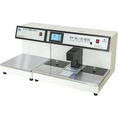
The history of specimen cabinets is a rich tapestry that intertwines with the progress of scientific discovery, classification, and preservation. As a supplier of high - quality Specimen Cabinet, I have a deep appreciation for the long - standing journey of these essential pieces of equipment.
Early Beginnings
The origins of specimen cabinets can be traced back to the early days of natural history exploration. In the 16th and 17th centuries, European explorers were venturing to far - off lands, bringing back a vast array of plant, animal, and mineral specimens. These specimens were not only curiosities but also valuable resources for scientific study.
At that time, collectors and early naturalists needed a way to organize and display their findings. Simple wooden cabinets with glass doors or open shelves were constructed. These early cabinets served a dual purpose: they protected the specimens from dust, damage, and pests, and they allowed for easy viewing and study. The cabinets were often ornately decorated, reflecting the status and interests of the collectors. They were more like showpieces in the homes of the wealthy or in the emerging scientific institutions.


The Age of Enlightenment
The 18th century, known as the Age of Enlightenment, was a period of significant scientific advancement. The Linnaean system of classification, developed by Carl Linnaeus, revolutionized the way specimens were organized. This system provided a standardized way to name and categorize plants and animals, which in turn influenced the design of specimen cabinets.
As scientists became more organized in their studies, the need for more sophisticated storage solutions arose. Cabinets were now designed with compartments and drawers of different sizes to accommodate specimens of various shapes and sizes. The construction materials also improved, with the use of better - quality woods and more precise joinery techniques. These cabinets were no longer just for display but also for systematic storage and research. They became an integral part of scientific laboratories and universities, where they housed the growing collections of specimens used for teaching and research.
Industrial Revolution and Beyond
The Industrial Revolution in the 19th century brought about several changes in the manufacturing of specimen cabinets. Mass - production techniques made it possible to produce these cabinets more quickly and at a lower cost. The availability of new materials, such as metal and glass, also had a significant impact on their design.
Metal frames and drawers were introduced, providing greater durability and stability. The use of glass panels became more widespread, allowing for clear visibility of the specimens. These cabinets were designed to be more modular, making it easier to expand or reconfigure the storage space as the collections grew.
In addition to natural history specimens, the medical and biological fields also began to use specimen cabinets. Pathologists and researchers needed a way to store tissue samples, slides, and other biological materials. Specialized specimen cabinets were developed to meet these needs, with features such as temperature and humidity control.
Modern Specimen Cabinets
Today, specimen cabinets have come a long way from their humble beginnings. They are highly sophisticated pieces of equipment designed to meet the specific requirements of different scientific disciplines.
In modern laboratories, Specimen Freezer is often used in conjunction with specimen cabinets. These freezers provide ultra - low temperature storage for specimens that need to be kept frozen for long - term preservation. The cabinets are now equipped with advanced features such as adjustable shelving, locking mechanisms, and integrated monitoring systems to ensure the safety and integrity of the specimens.
The Slide Drying Cabinet is another specialized type of cabinet used in laboratory settings. It is designed to dry microscope slides at a controlled temperature, which is crucial for preparing high - quality slides for microscopy.
Our Role as a Supplier
As a supplier of specimen cabinets, we understand the importance of these historical developments in shaping the products we offer today. We combine the latest technological advancements with traditional craftsmanship to produce cabinets that are not only functional but also aesthetically pleasing.
Our cabinets are designed to meet the highest standards of quality and safety. We use only the best materials, and our manufacturing processes are rigorously tested to ensure that each cabinet meets the specific needs of our customers. Whether it's a small research laboratory or a large educational institution, we can provide customized solutions to fit their requirements.
We also recognize the importance of sustainability in our manufacturing processes. We strive to minimize our environmental impact by using eco - friendly materials and energy - efficient manufacturing techniques.
Contact Us for Your Specimen Cabinet Needs
If you are in the market for a specimen cabinet, we invite you to explore our range of products. Our team of experts is always ready to assist you in choosing the right cabinet for your specific needs. Whether you need a standard cabinet or a customized solution, we have the experience and expertise to deliver a high - quality product that meets your expectations.
Feel free to contact us to discuss your requirements and start a conversation about how our specimen cabinets can enhance your scientific research, teaching, or collection activities.
References
- Cunningham, A. (2008). The Laboratory Revolution in Medicine. Cambridge University Press.
- Daston, L., & Galison, P. (2007). Objectivity. Zone Books.
- Jardine, N., Secord, J. A., & Spary, E. C. (Eds.). (1996). Cultures of Natural History. Cambridge University Press.