


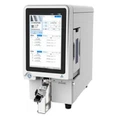

What are the noise levels associated with a Grossing Station?
As a supplier of grossing stations, I often receive inquiries from customers about various aspects of these essential pieces of equipment in histology laboratories. One question that has been coming up more frequently lately is regarding the noise levels associated with a grossing station. In this blog post, I'll delve into this topic in detail, exploring what factors contribute to the noise, typical noise levels, and how they can impact the laboratory environment.
Understanding the Grossing Station
Before we dive into the noise levels, let's briefly understand what a grossing station is. A grossing station is a specialized workstation used in histology laboratories for the initial examination and dissection of surgical specimens. It plays a crucial role in the histological process, as it is where pathologists and technicians first handle and prepare the specimens for further processing.
There are different types of grossing stations available in the market, such as the Grossing Station for Histology and the Histology Grossing Station. These stations are designed with specific features to meet the needs of the histological workflow, including proper ventilation systems, work surfaces, and storage compartments.
Factors Contributing to Noise in a Grossing Station
Several factors can contribute to the noise levels in a grossing station. One of the primary sources of noise is the ventilation system. Most grossing stations are equipped with ventilation systems to remove harmful fumes and odors generated during the specimen processing. These ventilation systems typically consist of fans and ductwork, which can produce a significant amount of noise when in operation.


The type and size of the fans used in the ventilation system can have a direct impact on the noise levels. Larger fans or fans with higher airflow rates tend to generate more noise compared to smaller, more efficient models. Additionally, the design of the ductwork can also affect the noise levels. Poorly designed ductwork can cause turbulence and resonance, which can amplify the noise produced by the fans.
Another factor that can contribute to noise in a grossing station is the equipment used on the workstation. For example, electric knives, saws, and other cutting tools can produce noise during operation. The frequency and intensity of the noise can vary depending on the type and quality of the equipment. Lower-quality tools may produce more noise due to inefficient motor design or poor construction.
The movement of specimens and equipment on the work surface can also generate noise. When specimens are being transferred, cut, or manipulated, they can create vibrations and impacts that result in audible noise. This is especially true if the work surface is not properly cushioned or if the specimens are heavy or hard.
Typical Noise Levels in a Grossing Station
The noise levels in a grossing station can vary depending on the specific model and configuration of the station, as well as the operating conditions. In general, the noise levels in a grossing station can range from 50 to 70 decibels (dB). To put this into perspective, a normal conversation typically occurs at around 60 dB, while a vacuum cleaner can produce noise levels of up to 70 dB.
However, it's important to note that these are just general estimates, and the actual noise levels in a grossing station can be higher or lower depending on the factors mentioned above. For example, a grossing station with a high-powered ventilation system and multiple pieces of noisy equipment may produce noise levels closer to the upper end of the range.
Impact of Noise on the Laboratory Environment
The noise levels in a grossing station can have several impacts on the laboratory environment. One of the most significant impacts is on the comfort and well-being of the laboratory staff. Prolonged exposure to high noise levels can cause stress, fatigue, and hearing loss. It can also make it difficult for staff to communicate effectively, which can affect the efficiency and accuracy of the work.
In addition to the impact on the staff, the noise levels in a grossing station can also affect the quality of the work. High noise levels can be distracting, making it difficult for pathologists and technicians to concentrate on the delicate task of specimen processing. This can increase the risk of errors and mistakes, which can have serious consequences for patient diagnosis and treatment.
The noise levels in a grossing station can also have an impact on the surrounding laboratory environment. If the noise is not properly contained, it can spread to other areas of the laboratory, disrupting the work of other staff members. This can create a less productive and harmonious work environment.
Managing Noise Levels in a Grossing Station
As a supplier of grossing stations, we understand the importance of managing noise levels in the laboratory. That's why we offer a range of solutions to help reduce the noise generated by our grossing stations.
One of the key features of our grossing stations is the use of high-quality, low-noise ventilation systems. These systems are designed to provide efficient ventilation while minimizing the noise produced by the fans and ductwork. We also offer customizable ventilation options, allowing customers to choose the system that best meets their specific needs and noise requirements.
In addition to the ventilation system, we also pay attention to the design and construction of the work surface and other components of the grossing station. We use materials and technologies that help to reduce vibrations and noise, ensuring a quieter working environment.
We also offer a range of accessories and add-ons that can further reduce the noise levels in a grossing station. For example, we offer noise-reducing mats and pads that can be placed on the work surface to absorb vibrations and reduce noise. We also offer soundproof enclosures for noisy equipment, such as electric knives and saws, to help contain the noise.
Our Recommended Grossing Station
One of our most popular grossing stations is the KH-C5 Pathological Grossing Workstation With Formalin System. This workstation is designed with a focus on noise reduction, featuring a high-quality ventilation system and a soundproof enclosure for the formalin system. The work surface is also made of a material that helps to reduce vibrations and noise, providing a quiet and comfortable working environment.
The KH-C5 also offers a range of other features and benefits, including a large work surface, ample storage space, and a user-friendly design. It is suitable for use in a variety of histological applications, making it a versatile and cost-effective solution for laboratories of all sizes.
Conclusion
In conclusion, the noise levels associated with a grossing station can have a significant impact on the laboratory environment and the well-being of the staff. As a supplier of grossing stations, we are committed to providing our customers with high-quality, low-noise solutions that meet their specific needs and requirements.
If you are interested in learning more about our grossing stations or would like to discuss your noise reduction needs, please don't hesitate to contact us. We would be happy to provide you with more information and help you find the right solution for your laboratory.
References
- [1] "Noise in the Workplace: A Guide for Employers and Employees," Occupational Safety and Health Administration (OSHA).
- [2] "Histology Laboratory Design and Equipment," American Society for Clinical Pathology (ASCP).
- [3] "Ventilation Systems for Histology Laboratories," National Fire Protection Association (NFPA).