


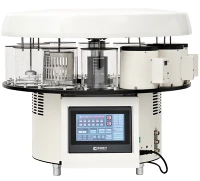
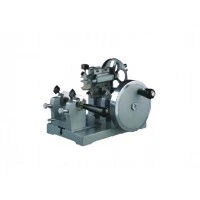


When it comes to the field of pathology and histology, a fundamental question often arises: Can a grossing station be used for all types of specimens? As a seasoned supplier of grossing stations, I've encountered this query numerous times, and I believe it's crucial to delve into this topic to provide a well - informed answer.
Understanding Grossing Stations
Before we explore the question, let's first understand what a grossing station is. A grossing station is an essential piece of equipment in pathology and histology laboratories. It serves as a dedicated workspace where specimens are precisely examined, sectioned, and prepared for further microscopic analysis. Grossing stations are designed to provide a clean, organized, and efficient environment, often equipped with features like sinks, dissection areas, lighting, and waste management systems. They come in various configurations and sizes to meet the diverse needs of different laboratories.
You can explore different types of grossing stations on our website: Pathology Grossing Station


Types of Specimens
In pathology and histology, specimens can be incredibly diverse. Here are some common types:
-
Surgical Specimens: These are perhaps the most well - known. They include tissues removed during surgeries, such as tumor resections, organ biopsies (like liver, kidney, or lung biopsies), and excised body parts. Surgical specimens can vary widely in size, from tiny needle biopsies to large, complex resections.
-
Autopsy Specimens: Collected during autopsies, these specimens give insights into the cause of death, the presence of diseases, and overall health conditions at the time of death. Autopsy specimens can be whole organs, sections of organs, or tissues from various body systems.
-
Cytology Specimens: These are smaller in scale and often consist of individual cells or small clusters of cells. Examples include Pap smears (for cervical cancer screening), fine - needle aspiration biopsies (FNA), and sputum samples. Cytology specimens require different handling techniques compared to larger tissue specimens.
-
Animal Tissues: In veterinary pathology and research settings, animal tissues are commonly processed. These can range from small rodent organs in research to larger specimens from livestock or companion animals.
Can a Single Grossing Station Handle All Specimens?
The answer is both yes and no.
Advantages of Using a Single Grossing Station for Different Specimens
- Cost - Efficiency: For smaller laboratories or those on a tight budget, using a single grossing station for multiple specimen types can significantly reduce costs. Investing in a single, high - quality grossing station can be more economical than purchasing multiple specialized stations.
- Space - Saving: Laboratories often have limited space. A multi - purpose grossing station allows for the processing of different specimens in one area, optimizing the use of available space.
- Workflow Continuity: When all specimens are processed at the same station, it can be easier to maintain a consistent workflow. Technicians become familiar with one set of equipment and procedures, which can lead to increased efficiency and fewer errors.
However, there are also significant limitations:
Limitations of Using a Single Grossing Station
- Cross - Contamination Risks: Different specimens can carry different pathogens or contaminants. For example, a surgical specimen from a patient with an infectious disease could contaminate a cytology specimen if processed at the same station without proper decontamination. This can lead to inaccurate test results and potential health risks for laboratory personnel and patients.
- Different Processing Requirements: Each specimen type has unique processing requirements. Cytology specimens need delicate handling and specific staining techniques, while surgical specimens may require heavy - duty dissection tools. A grossing station optimized for large surgical specimens may not provide the precision needed for cytology specimens.
- Volume and Size Constraints: Some specimens, like large autopsy samples or extensive surgical resections, require a lot of space for proper examination and sectioning. A grossing station designed for small cytology specimens may not be able to accommodate these larger specimens effectively.
Specialized Grossing Stations
To address the limitations of using a single grossing station for all specimen types, specialized grossing stations have been developed.
- Grossing Station for Histology is specifically designed to meet the requirements of histological specimen processing. These stations often feature high - quality lighting, precision cutting surfaces, and ergonomic designs to facilitate the accurate preparation of tissue samples for microscopic examination.
- Histology Grossing Station focuses on the needs of histology laboratories, providing a clean and organized workspace for handling histological specimens. They may include features like built - in ventilation systems to remove harmful fumes generated during specimen processing.
Making the Right Choice
When deciding whether to use a single grossing station for all specimens or invest in specialized stations, laboratories need to consider several factors.
- Specimen Volume: Laboratories that process a large volume of a particular specimen type may benefit from having a dedicated grossing station. For example, a cancer research laboratory that mainly deals with tumor specimens may find it more efficient to have a dedicated station for these samples.
- Specimen Diversity: If a laboratory processes a wide variety of specimen types, a combination of a general - purpose grossing station and specialized stations may be the best approach. The general - purpose station can handle routine specimens, while the specialized stations can be reserved for more challenging or specific specimens.
- Budget Constraints: Financial limitations play a significant role in decision - making. Small laboratories with limited budgets may start with a single, multi - purpose grossing station and gradually invest in specialized equipment as their needs and resources grow.
Conclusion
In conclusion, while a grossing station has the potential to be used for different types of specimens, it may not be ideal for all of them. The diverse nature of specimens in pathology and histology, including differences in size, processing requirements, and contamination risks, often calls for a more tailored approach. Specialized grossing stations can provide the precision and safety needed for specific specimen types.
If you're considering purchasing a grossing station for your laboratory, whether it's a general - purpose or specialized one, we're here to help. Our team of experts can guide you through the selection process, taking into account your specific needs, specimen types, and budget. Contact us to start a discussion about the best grossing station solution for your laboratory.
References
- Bancroft, J. D., & Gamble, M. (2008). Theory and Practice of Histological Techniques. Churchill Livingstone.
- Kiernan, J. A. (2008). Histological and Histochemical Methods: Theory and Practice. Springer.